New England Industrial Uncategorized What is the Thickness of Roof Slab for Commercial Building? A Deep Dive for New Jersey Projects

What is the Thickness of Roof Slab for Commercial Building? A Deep Dive for New Jersey Projects

What is the Thickness of Roof Slab for Commercial Building? A Deep Dive for New Jersey Projects

When it comes to commercial construction in New Jersey, understanding structural specifications like roof slab thickness is essential—not just for compliance and performance but also for longevity, safety, and cost efficiency. So, what is the standard thickness of a roof slab in a commercial building?
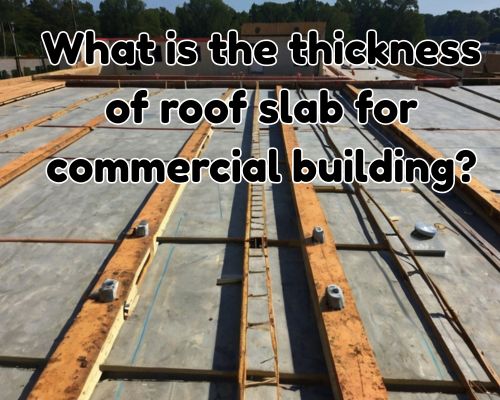
slab in commercial building construction

While it may seem like a simple measurement, the roof slab thickness in commercial structures depends on multiple variables including building codes, structural load demands, architectural design, and regional climate considerations. In New Jersey, where the weather fluctuates from humid summers to snowy winters, slab design is influenced by environmental stressors and local code requirements.

With Charles Jimerson of CJ Commercial Roofing NJ, we’ll unpack:

  • The typical roof slab thickness for commercial buildings
  • Factors influencing slab design
  • Building code references in New Jersey
  • Types of materials used
  • Local considerations unique to New Jersey’s climate and construction norms

Typical Thickness of Roof Slabs in Commercial Construction

In general, the standard roof slab thickness for commercial buildings in the U.S. ranges between 5 inches and 8 inches (127 mm to 203 mm). However, New Jersey-based commercial projects often adopt 6-inch slabs as a minimum, scaling up depending on load-bearing demands or special architectural considerations.

Why the Range?

The variation is due to:

  • Dead loads (weight of the structure itself)
  • Live loads (people, equipment, or HVAC units on the roof)
  • Environmental loads (snow, wind uplift)

A flat roof on a commercial warehouse in Newark, NJ, for example, might use a 6-inch reinforced concrete slab. In contrast, a multi-story office building in Jersey City may require a post-tensioned concrete slab closer to 8 inches to handle mechanical installations and future tenant improvements.

Key Factors That Influence Slab Thickness

Several engineering and environmental parameters come into play:

1. Structural Load Requirements

Every roof slab is engineered to handle expected live and dead loads. The American Concrete Institute (ACI 318) offers guidelines, and structural engineers in New Jersey often refer to this in tandem with IBC (International Building Code) provisions.

2. Span Between Supports

Longer spans without intermediate support beams require thicker slabs or advanced reinforcement like post-tensioning. In commercial retail outlets or large logistics centers in Edison, NJ, slabs may increase in thickness to prevent deflection over long spans.

3. Roof Type & Usage

A green roof or rooftop terrace requires additional thickness to support soil, plantings, and pedestrian traffic. These applications are increasingly popular in urban centers like Hoboken, where real estate is optimized vertically.

4. Climate and Weather Conditions

In New Jersey, snow loads play a significant role. According to the New Jersey Uniform Construction Code (NJ UCC), structures must account for average snowfall loads between 20 and 30 pounds per square foot, particularly in northern counties like Morris and Sussex.

For more, visit https://cjcommercialroofingnj.com/.

Material Considerations: Concrete Composition and Reinforcement

Most commercial roof slabs use reinforced concrete—a mix of cement, water, aggregates, and steel reinforcement (rebar or wire mesh). Here’s what commonly goes into a New Jersey commercial roof slab:

  • Compressive strength: Usually 4,000 to 5,000 psi
  • Reinforcement: Grade 60 steel rebar, spaced per structural load demands
  • Slump: A medium slump (4 to 6 inches) ensures workable concrete without compromising strength

For projects requiring lightweight alternatives, lightweight concrete (using expanded shale or clay aggregate) is sometimes used, especially in retrofits or rooftop additions in older commercial buildings in cities like Trenton.

Local Building Code & Regulations in New Jersey

To legally construct commercial buildings in the Garden State, builders must comply with:

These codes regulate slab thickness indirectly by mandating load capacity, deflection limits, and allowable material stresses. For example, commercial roofs must meet wind uplift ratings prescribed for coastal zones like Atlantic City, where hurricane exposure is a concern.

It’s also worth noting that zoning ordinances and municipal building codes may add specific height and massing constraints, indirectly affecting slab thickness and overall roof design.

Real-World Examples from New Jersey

Let’s look at a few real-world applications that illustrate the range and logic behind slab thickness in local commercial construction:

Logistics Facility in South Brunswick

  • Slab Thickness: 6.5 inches
  • Reinforcement: Double mat rebar grid
  • Reasoning: Heavy equipment and HVAC units mounted on rooftop

Tech Campus in Princeton

  • Slab Thickness: 7.5 inches
  • Reinforcement: Post-tensioned concrete
  • Reasoning: Future adaptability for rooftop solar arrays and structural loading flexibility

Mixed-Use Retail in Montclair

  • Slab Thickness: 6 inches
  • Reinforcement: Fiber-reinforced concrete
  • Reasoning: Lightweight requirement due to existing substructure

How Slab Thickness Impacts Cost and Construction Timeline

Choosing a thicker slab increases material costs (more concrete and steel), labor (formwork, pouring, curing), and possibly inspection fees. However, the trade-off is durability and flexibility. In high-traffic commercial zones like Newark or Elizabeth, slab integrity directly translates to fewer long-term maintenance issues.

A typical cost estimate for roof slab construction in New Jersey (as of 2025) ranges from $7.50 to $12 per square foot, depending on thickness and design complexity. Specialized slabs (like post-tensioned or high-load green roof systems) can run higher.

Sustainable Trends in Commercial Roof Slabs

With New Jersey adopting green building initiatives under the Energy Master Plan (EMP) and Clean Energy Program, newer commercial buildings are integrating insulated roof decks, thermal mass concrete, and green roofing systems.

These sustainable approaches may demand slight variations in slab thickness—either to accommodate insulation materials or to support added mass from soil and vegetation. Municipalities like Morristown and Camden have already adopted green-friendly incentives for such structural innovations.

Conclusion: Precision Matters in Roof Slab Design

To answer the question directly: the roof slab thickness for a commercial building in New Jersey typically ranges from 6 to 8 inches, but that number can vary based on design purpose, location, building code, and intended roof usage.

More importantly, the “right” thickness is not a one-size-fits-all number—it’s an intersection of engineering precision, regulatory compliance, local climate adaptation, and cost-effective construction strategies.

If you’re planning a commercial build in New Jersey—from Paramus to Cherry Hill—work closely with a local structural engineer and code consultant to ensure the roof slab is not just thick enough, but also smartly designed for performance, durability, and future adaptation.
Related Post

Houston Tax Protest Services

Houston Tax Protest ServicesHouston Tax Protest Services

Maneuvering through the complexities of property tax assessments in Houston can be overwhelming. You might find yourself questioning the accuracy of your property’s valuation and wondering about your options. Engaging with tax protest services could be a wise choice, as they bring expertise to the table. They handle everything from documentation to deadlines, ensuring you’re not burdened by the process. Curious about how these services can specifically benefit you? Let’s explore further.

Understanding Property Tax Assessments

Property tax assessments can feel intimidating, but understanding them is fundamental for homeowners like you. These assessments determine how much you owe in property taxes, and they’re based on the value of your property. Knowing how assessors evaluate your home can empower you to confirm your assessment reflects its true value. Factors like location, property size, and recent sales of similar homes in your area play significant roles. It’s important to familiarize yourself with the local market trends and assessment methods, as inaccuracies can lead to overpayments. By grasping these concepts, you can take informed steps to protect your financial interests and advocate for a fair assessment. Mastering this knowledge is essential in maneuvering property taxes effectively.

The Process of Challenging Your Property Taxes

Challenging your property taxes can be an important step if you believe your assessment is too high. Start by gathering evidence, such as recent sales data of similar properties in your area, to support your claim. Next, file a formal protest with your local appraisal district, ensuring you meet any deadlines. During the hearing, present your evidence clearly and confidently; emphasize discrepancies in valuation methods or errors in property details. Be prepared for counterarguments from the appraisal district. Finally, if the outcome isn’t favorable, you can appeal the decision. Remember, understanding the process is vital, as it empowers you to articulate your position effectively and increases your chances of achieving a fair assessment.

Benefits of Using Tax Protest Services

Using tax protest services can greatly enhance your chances of a successful outcome when disputing your property taxes. By leveraging their expertise, you gain access to seasoned professionals who understand the nuances of tax law and local regulations. These specialists can provide a thorough analysis of your property’s valuation, identifying any discrepancies that support your case. They also gather essential evidence, ensuring your argument is backed by data. In addition, tax protest services handle all necessary documentation and deadlines, alleviating the stress of managing the process alone. Ultimately, their experience can lead to substantial savings on your tax bill, making the investment worthwhile. By choosing a tax protest service, you position yourself for a more favorable resolution.

How to Choose the Right Tax Protest Firm

When it comes to selecting the right tax protest firm, you’ll want to take into account several key factors to guarantee you make an informed choice. Start by evaluating the firm’s experience and track record in handling tax protests similar to yours. Look for client testimonials and success rates; these will indicate their effectiveness. Additionally, consider their fee structure—ensure it’s transparent and reasonable for the services offered. Communication is also essential; choose a firm that values responsiveness and keeps you updated throughout the process. Finally, verify their credentials and any affiliations with professional organizations. By systematically reviewing these aspects, you’ll position yourself to select a firm that aligns with your needs and maximizes your chances of a successful tax protest.

Success Stories: Real Impact of Tax Protests

Although many individuals hesitate to challenge property valuations, success stories from tax protests reveal the significant financial relief and justice that can be achieved. You might find it empowering to learn how homeowners have successfully lowered their tax bills by thousands of dollars through diligent protests. These cases often involve meticulous research, compelling evidence, and expert representation. For instance, one family reduced their property tax by 25% after presenting comparable sales data that challenged inflated valuations. Such victories not only ease financial burdens but also promote fairness in the tax system. By understanding these successes, you’re encouraged to take action, knowing that your voice can lead to tangible results in your property tax assessments. Don’t underestimate the power of informed protest.

a roof that is perfectly aligned and free from defects

What Is the Best Roof for Your Money in New Jersey? A Comprehensive GuideWhat Is the Best Roof for Your Money in New Jersey? A Comprehensive Guide

When it comes to investing in a new roof for your home, it’s crucial to choose the best material that balances both cost and quality. In New Jersey, where the climate can range from humid summers to snowy winters, selecting the right roofing material ensures that your roof lasts longer, performs better, and provides value for money. So, what is the best roof for your money in New Jersey? With CJ Commercial Roofing NJ, we’ll explore various roofing options and help you make an informed decision.

a roof that is perfectly aligned and free from defects

Understanding Your Roofing Needs in New Jersey

Before diving into specific materials, it’s important to assess your home’s specific needs. New Jersey homeowners experience a diverse climate, with coastal areas like Cape May experiencing more humidity and rainfall, while northern regions like Sussex County can face heavy snow and freezing temperatures. A roof that’s durable enough to withstand these weather conditions is paramount.

Additionally, other factors that influence your choice include:

  • Energy efficiency: Choose a roofing system that can help reduce heating and cooling costs.
  • Durability: New Jersey’s winters can be harsh, with snow accumulation and freezing rain. The roofing material should be able to handle the weight and stress.
  • Aesthetic appeal: The look of your roof can increase curb appeal and the overall value of your property.
  • Maintenance: Some roofs require more maintenance than others, so consider how much time and effort you’re willing to put into roof upkeep.

Asphalt Shingles: Affordable and Durable

When homeowners ask, “What is the best roof for your money?” asphalt shingles often come to mind. Asphalt shingles are one of the most popular and cost-effective roofing materials in New Jersey. They strike the right balance between affordability, durability, and ease of installation.

Why Choose Asphalt Shingles in New Jersey?

  1. Cost-Effective: Asphalt shingles are relatively inexpensive compared to other roofing options. The average cost to install asphalt shingles in New Jersey ranges from $4,000 to $10,000, depending on the size and complexity of your roof.
  2. Durability: Asphalt shingles can last up to 25 years with proper maintenance. This makes them a great option for homeowners seeking a good return on investment.
  3. Energy Efficiency: Many modern asphalt shingles come with energy-efficient coatings that help reflect the sun’s heat, making them perfect for New Jersey’s summer heat waves.

Best for: Budget-conscious homeowners who want a durable, low-maintenance roofing solution.

Metal Roofing: Long-Term Investment

Metal roofing is an increasingly popular option in New Jersey due to its remarkable longevity and ability to withstand extreme weather conditions. While the upfront cost is higher, the long-term savings and performance make it an appealing choice for many homeowners.

Why Choose Metal Roofing in New Jersey?

  1. Longevity: Metal roofs can last 50 years or more, making them an excellent long-term investment. The material is resistant to snow, rain, and even hail, which is important in New Jersey’s variable climate.
  2. Energy Efficiency: Metal roofs reflect solar heat, which can significantly lower energy costs during the summer months.
  3. Low Maintenance: Metal roofing is resistant to mold, rot, and pests, reducing the frequency of repairs or replacements.
  4. Eco-Friendly: Many metal roofs are made from recycled materials, and they are fully recyclable at the end of their lifespan.

Best for: Homeowners who are willing to invest more upfront for a roof that will last longer and require less maintenance.

Slate Roofing: Premium Quality and Classic Aesthetic

For homeowners looking for a premium, long-lasting roofing solution, slate roofing may be the answer. While slate is a more expensive roofing material, its unmatched durability and aesthetic appeal make it a popular choice for historic homes or high-end properties in New Jersey.

Why Choose Slate Roofing in New Jersey?

  1. Durability: Slate roofs can last well over 100 years with minimal maintenance. New Jersey’s harsh winters, with heavy snow and freezing temperatures, won’t affect slate roofing.
  2. Aesthetic Appeal: Slate offers a classic, sophisticated look that can enhance the beauty and value of your home. It’s available in various colors and finishes to complement your home’s design.
  3. Fire-Resistant: Slate is non-combustible, making it an excellent choice for homeowners concerned about fire safety.

Best for: Homeowners with higher budgets who want a roof that will last for generations and enhance the property’s aesthetic value.

Clay and Concrete Tiles: Elegant but Expensive

Clay and concrete tiles are another premium roofing option. While they are highly durable and offer excellent energy efficiency, their weight and cost can make them less ideal for certain homes in New Jersey.

Why Choose Clay or Concrete Tiles in New Jersey?

  1. Durability: Like slate, clay and concrete tiles are known for their longevity. They can withstand extreme weather, including heavy snow and strong winds.
  2. Energy Efficiency: These tiles naturally insulate your home, helping to maintain a comfortable indoor temperature year-round, which is perfect for New Jersey’s fluctuating weather.
  3. Aesthetic: With their unique Mediterranean or Spanish look, clay and concrete tiles can add significant charm and value to your home.

Best for: Homeowners who want a premium, aesthetic roof but are prepared to invest more upfront for its weight and installation complexity.

Choosing the Best Roof for Your Money in New Jersey

To determine the best roof for your money in New Jersey, consider your budget, desired roof lifespan, energy efficiency needs, and aesthetic preferences. While asphalt shingles are the most cost-effective, metal, slate, and tile roofs offer greater longevity and better protection against harsh weather conditions.

Local Considerations in New Jersey

Certain areas in New Jersey might have specific regulations or preferences when it comes to roofing materials. For example, if you live in coastal regions like Ocean City, it’s essential to consider materials resistant to saltwater corrosion. For homes in more northern areas like Sussex County, you may want a roofing material that can handle heavier snow loads.

For professional needs, just visit https://cjcommercialroofingnj.com/.

Final Thoughts

When it comes to choosing the best roof for your money in New Jersey, the decision boils down to your priorities: initial cost, long-term durability, energy efficiency, and aesthetics. Asphalt shingles provide an affordable, reliable option, while metal and slate offer more durability and longer lifespans at a higher initial cost. If you want a roof that will stand the test of time and weather, metal roofing is a great balance of value and performance.

Remember, it’s always essential to work with a trusted local roofing contractor in New Jersey to ensure that you’re selecting the right material for your home’s specific needs. By doing thorough research and considering your long-term needs, you can make an informed decision that will serve you well for decades.

a roofer working hard in putting roof

What’s Another Name for a Roofer? Exploring the Diverse Terms for Roofing Professionals in New JerseyWhat’s Another Name for a Roofer? Exploring the Diverse Terms for Roofing Professionals in New Jersey

What’s Another Name for a Roofer? Exploring the Diverse Terms for Roofing Professionals in New Jersey

When you think of roofing work, the term “roofer” likely comes to mind. However, there are a variety of alternative names used to describe this profession, depending on the region, job description, and specific skills involved. If you’re a homeowner in New Jersey looking to hire a roofing expert, understanding these different terms can help ensure you’re reaching out to the right professional for your needs. With CJ Commercial Roofing NJ, we’ll delve into alternative names for roofers, their roles, and how they are recognized within the New Jersey roofing industry.

a roofer working hard in putting roof

1. Roofing Contractor

One of the most common alternative names for a roofer is “roofing contractor.” In New Jersey, roofing contractors like in CJ Commercial Roofing NJ are licensed professionals who provide services ranging from roof repairs and installations to inspections and maintenance. Unlike general laborers, a roofing contractor typically oversees a team of roofers and ensures the project complies with local building codes and safety regulations.

In cities like Newark and Jersey City, roofing contractors are integral to ensuring the structural integrity of both residential and commercial buildings. When searching for a roofing expert in New Jersey, hiring a licensed roofing contractor ensures that the job will be done according to industry standards and local laws.

2. Roof Installer

The term “roof installer” is often used to describe professionals who specialize in installing roofing systems, including shingles, tiles, metal roofs, and flat roofs. In New Jersey, roof installers play a crucial role in making sure a roof is properly installed to withstand the state’s harsh weather conditions, including snowstorms, heavy rain, and extreme heat.

Roof installers are skilled in measuring, cutting, and placing roofing materials while ensuring that the roof is both aesthetically pleasing and functional. If you’re in need of a new roof in areas like Hoboken or Montclair, a roof installer might be the ideal choice to help you choose the right material and complete the installation efficiently.

3. Roof Repair Specialist

For homeowners in New Jersey dealing with leaks, damaged shingles, or wear and tear on their roofs, the term “roof repair specialist” is a familiar one. These professionals focus specifically on repairing existing roofs rather than replacing them entirely. Roof repair specialists can handle everything from minor fixes to extensive repairs following severe storm damage.

In New Jersey, where weather extremes can cause significant damage to roofs, roof repair specialists are essential for maintaining the longevity and safety of a home. Whether you’re in need of a simple patch in your roof in Cherry Hill or require a complete overhaul due to storm damage in Trenton, roof repair specialists are often the go-to professionals.

4. Roof Maintenance Technician

Another term you might encounter is “roof maintenance technician.” These professionals focus on routine roof inspections, cleaning, and preventative maintenance to extend the lifespan of your roof. In New Jersey, where roofs are subjected to constant environmental stress, regular maintenance is key to preventing costly repairs or premature replacements.

Roof maintenance technicians are adept at identifying small issues before they turn into larger, more expensive problems. If you live in coastal towns like Atlantic City or Seaside Heights, where saltwater corrosion can be an issue, hiring a roof maintenance technician is essential for keeping your roof in top condition throughout the year.

5. Roofing Mechanic

Although less commonly used, the term “roofing mechanic” refers to professionals who are highly skilled in the mechanical aspects of roofing. These workers often specialize in the installation, repair, and maintenance of specialized roofing systems, including metal roofs and flat roofs with intricate drainage systems. Roofing mechanics may be called upon for highly technical roofing projects in industrial settings or in residential areas where specific roofing needs arise.

In New Jersey, roofing mechanics are often required for commercial buildings in cities like Paterson or Princeton, where complex roofing structures are common. Their expertise helps ensure that intricate roofing systems are installed and maintained properly to prevent leaks and other issues.

6. Flat Roof Specialist

In New Jersey, where both residential and commercial properties often feature flat roofs, a “flat roof specialist” is an expert in the installation, repair, and maintenance of these types of roofs. Flat roofs require a different set of skills compared to traditional sloped roofs, and flat roof specialists are adept at handling the unique challenges posed by these structures, such as drainage and waterproofing.

Flat roof specialists are essential in areas like Camden or Edison, where commercial buildings and warehouses often have flat roofing systems. These professionals are trained in handling roofing materials specifically designed for flat roofs, including modified bitumen, EPDM, and TPO membranes.

7. Roofing Consultant

Sometimes, homeowners and businesses in New Jersey may require the expertise of a “roofing consultant.” A roofing consultant is not directly involved in the hands-on aspects of roofing but rather provides expert advice on roofing projects. This can include helping homeowners or businesses select the right materials, budgeting for a roofing project, or ensuring the project complies with local building codes.

In large urban areas like New York City (just across the river) and parts of New Jersey, roofing consultants are hired by property managers or business owners who need expert advice before making decisions on major roofing projects. A roofing consultant can be invaluable in areas where multiple properties require roofing services, such as the bustling downtown of Jersey City.

8. Shingler

A “shingler” is another term that’s commonly used in New Jersey for professionals who specialize in installing shingles. Shinglers typically work with asphalt, wood, or composite shingles and are highly skilled in laying shingles in patterns that ensure the roof’s protection from the elements.

Given New Jersey’s wide range of homes, from older houses in places like Princeton to newer homes in the suburbs, shinglers are in high demand. Shinglers often work under the direction of roofing contractors but are experts in the specific skills required to properly install shingles.

9. Roofing Laborer

Finally, a “roofing laborer” is a more general term that describes a worker who assists with roofing projects but may not necessarily have specialized training or certification. These individuals are essential to the overall roofing team, helping with tasks like carrying materials, setting up scaffolding, and performing manual tasks under the direction of skilled professionals.

Roofing laborers are often employed in large roofing projects across New Jersey, from residential neighborhoods in Bloomfield to commercial sites in Newark. While they don’t perform the specialized tasks of roofers or contractors, they play a vital role in the success of any roofing job.

Conclusion

When it comes to roofing professionals in New Jersey, many terms can be used to describe those who specialize in various aspects of the trade. Whether you’re searching for a roofing contractor in Newark, a roof installer in Hoboken, or a roof repair specialist in Trenton, understanding these different titles can help you find the right expert for your needs. By choosing the appropriate professional based on their specific skill set and area of expertise, you ensure that your roof will be properly maintained, repaired, or replaced, keeping your home safe and secure against the harsh New Jersey weather.