New England Industrial Uncategorized What Is the Most Affordable Type of Roof? A West Palm Beach Homeowner’s Guide

What Is the Most Affordable Type of Roof? A West Palm Beach Homeowner’s Guide

What Is the Most Affordable Type of Roof? A West Palm Beach Homeowner’s Guide

In a sunny, hurricane-prone location like West Palm Beach, Florida, the question isn’t just what roof looks best—it’s what roof makes sense financially and practically. If you’ve asked yourself, “What is the most affordable type of roof?”, you’re not alone. Roofing costs can be daunting, especially for homeowners navigating rising material prices, insurance rates, and strict building codes in Palm Beach County.
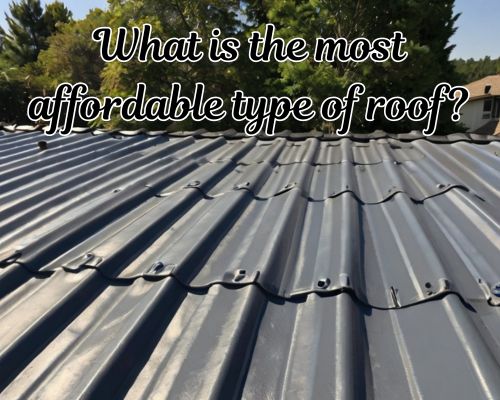
an affordable metal roofing installed

Whether you’re planning a roof replacement or building a new home in West Palm Beach, with David Spade of Star Roofing, we’ll break down the most cost-effective roofing options based on local climate, installation costs, lifespan, and energy efficiency—so you can make an informed decision without compromising your budget.

Understanding Affordability: It’s More Than Just Price

When we talk about the “most affordable roof,” we’re not just referring to the upfront installation cost. A truly affordable roofing system offers:

  • Low initial cost
  • Durable performance over time
  • Minimal maintenance requirements
  • Energy savings, especially in hot, humid climates like Florida
  • Storm resistance, crucial during hurricane season

In West Palm Beach, where average summer highs reach 90°F and rainfall exceeds 60 inches annually, your roofing material must handle UV exposure, humidity, and high winds. Let’s compare the top affordable options on the market today.

Asphalt Shingles: The King of Budget Roofing

Asphalt shingles are the most commonly installed roofing material across the U.S.—and for good reason. They strike the perfect balance between low cost, ease of installation, and reliable performance.

Why Asphalt Shingles Work in West Palm Beach:

  • Cost: On average, asphalt shingle roofs cost $3.50–$5.50 per square foot installed.
  • Durability: When properly installed, they last 15–30 years in Florida’s climate.
  • Wind resistance: Modern shingles can be rated for winds up to 130 mph, a must in hurricane-prone areas.
  • Reflective options: Some shingles are ENERGY STAR® rated, helping to reflect solar heat and lower cooling bills.

Downsides:

  • Susceptible to algae and mildew in humid climates unless treated.
  • May require more frequent replacement compared to other roofing types.

Verdict: For most West Palm Beach homeowners, asphalt shingles are the most affordable type of roof when considering cost-to-value ratio.

Metal Roofing: More Expensive Upfront, Cheaper Over Time

Metal roofing has gained popularity across South Florida, especially in coastal neighborhoods like Palm Beach Gardens and Boynton Beach. While the initial investment is higher, its longevity and efficiency can make it more cost-effective in the long run.

Benefits in West Palm Beach:

  • Energy efficiency: Metal reflects sunlight, lowering cooling costs by up to 25%.
  • Durability: Lifespan ranges from 40 to 70 years.
  • Storm safety: With proper fastening, metal roofing can withstand hurricane-force winds up to 140+ mph.
  • Insurance incentives: Florida insurers may offer discounts for homes with metal roofs due to their resilience.

Cost:

  • Typically $8–$12 per square foot installed.
  • Higher upfront cost, but minimal maintenance over decades.

Verdict: While not the cheapest option upfront, metal roofs may be the most affordable long-term investment, especially in West Palm Beach’s hot and stormy climate.

Rolled Roofing: A Budget-Friendly Option for Low-Slope Roofs

If you own a shed, garage, or low-slope structure in West Palm Beach, rolled roofing may be your answer to the cheapest roofing solution.

Pros:

  • Low cost: Just $1.50–$2.50 per square foot installed.
  • Quick installation: Great for small, flat-roof structures.
  • Water-resistant: Works well in short-term scenarios.

Cons:

  • Short lifespan: Usually 5–10 years.
  • Not ideal for residential roofs with pitch.
  • Limited aesthetic appeal.

Verdict: Best for outbuildings or temporary use—not ideal for the main home in West Palm Beach.

TPO Roofing: A Budget Winner for Flat Roofs

Thermoplastic Polyolefin (TPO roofing) is a cost-effective choice for flat or low-slope roofs, commonly seen on condos, commercial buildings, or modern homes in West Palm Beach.

Advantages:

  • Energy-efficient: White TPO membranes reflect UV rays, reducing cooling load.
  • Affordability: Costs range from $4.50–$6.50 per square foot installed.
  • Longevity: Offers a 15–20-year lifespan with proper maintenance.
  • Waterproof barrier: Ideal for rainy seasons.

Verdict: If your West Palm Beach home has a flat roof, TPO is one of the most affordable and efficient choices.

Clay Tile: Beautiful but Not Budget-Friendly

You’ve probably seen clay tile roofs on Mediterranean-style homes around Palm Beach Island and Downtown West Palm Beach. While they’re iconic and last up to 100 years, they’re far from affordable for most homeowners.

Cost:

  • Starts at $10–$20 per square foot installed.
  • Heavy material requires structural reinforcement, adding to cost.

Verdict: Clay tiles are stunning, but not remotely affordable unless you have a luxury home budget.

For more, go to David Spade of Star Roofing.

Cost Comparison Snapshot (Per Square Foot Installed)

Roofing TypeCostLifespanHurricane ResistanceBest Use Case
Asphalt Shingles$3.50–$5.5015–30 yearsGood (up to 130 mph)Budget residential roofing
Metal Roofing$8–$1240–70 yearsExcellent (up to 140+ mph)Long-term investment
Rolled Roofing$1.50–$2.505–10 yearsFairSheds, garages
TPO Roofing$4.50–$6.5015–20 yearsGoodFlat-roof homes & condos
Clay Tile$10–$2050–100 yearsExcellentLuxury homes

Local Insights: Roofing in West Palm Beach

🏠 Building codes in Palm Beach County require roofing materials to meet wind uplift standards, especially after Hurricane Andrew led to major regulatory reforms. Always hire a licensed roofing contractor familiar with Florida Building Code (FBC).

🏡 Popular roofing companies like Cesar’s Roofing, Tiger Team Roofing, and Paul Bange Roofing offer budget-friendly asphalt and metal roofing solutions tailored to West Palm Beach conditions.

🌴 Don’t forget about cool roofing incentives and insurance discounts under Florida’s Wind Mitigation Inspection Program—especially relevant for materials like metal and certain shingles.

Final Verdict: What Is the Most Affordable Type of Roof in West Palm Beach?

If you’re on a tight budget and need a roof that works well in Florida’s extreme weather, architectural asphalt shingles win as the most affordable roofing material overall. They’re:

  • Low cost to install
  • Easy to repair
  • Available with algae-resistant and wind-rated options ideal for South Florida

However, if you’re planning to stay in your home for decades or want to increase your home’s value, metal roofing may deliver the best long-term affordability.

Need a Quote in West Palm Beach?

Before you decide, get at least three local roofing quotes and ask about:

  • Wind mitigation ratings
  • Energy efficiency
  • Warranty options
  • Storm damage repair policies

Be sure to compare both costs and value—and choose the roof that protects your home without busting your budget.

Related Post

commercial guttering work

What Is the Difference Between Gutters and Leaders? A Homeowner’s Guide in West Palm Beach, FloridaWhat Is the Difference Between Gutters and Leaders? A Homeowner’s Guide in West Palm Beach, Florida

Homeownership in West Palm Beach, Florida, comes with sunshine, sandy breezes—and the need to protect your property from water damage. One overlooked but crucial part of that protection system? Your gutter and leader setup. But here’s the kicker: many homeowners don’t even know what the difference is between the two. So, what is the difference between gutters and leaders? With Mike Owen from Gutters of West Palm Beach, we’ll dive deep into this often-misunderstood topic with real insight, a dash of local context, and SEO-rich clarity.

commercial guttering work

Gutter vs. Leader: Let’s Break It Down

At a glance, gutters and leaders are part of the same system—they work together to manage rainwater runoff from your roof. But they serve very different functions.

Gutters: The Roofline Water Managers

Gutters are the horizontal channels installed along the edges of a roof. Their purpose is simple but critical: collect rainwater as it flows off the roof and redirect it toward the downspouts (aka leaders). In West Palm Beach, where tropical storms and heavy rainfall are common, having properly functioning gutters is essential for preventing water intrusion and foundation damage.

Salient entities related to gutters:

  • Seamless aluminum gutters
  • K-style and half-round gutter systems
  • Roofline drainage solutions
  • Gutter guards and filters

Leaders: The Vertical Drains

Leaders, more commonly referred to as downspouts, are the vertical pipes that connect to the gutter system. Their job is to channel the collected rainwater from the gutters down to the ground or into a drainage system.

In regions like Palm Beach County, where flash floods aren’t rare, the placement and size of leaders is more than cosmetic—it’s critical infrastructure.

Related LSI keywords:

  • Downspout extensions
  • Rainwater drainage system
  • Stormwater control
  • Vertical water pipes

Why the Difference Matters in West Palm Beach, FL

In a city known for its tropical climate, high humidity, and frequent storms, understanding the difference between gutters and leaders isn’t just semantics—it’s home preservation 101.

1. Local Climate Impact

West Palm Beach averages around 63 inches of rainfall annually, well above the national average. During the hurricane season, sudden torrential downpours are common, which means both your gutters and leaders need to work seamlessly.

Improper drainage in this area can lead to:

  • Soil erosion
  • Basement flooding
  • Exterior staining
  • Roof rot
  • Mold growth on siding and fascia boards

2. Building Code Requirements

In Florida, building codes require proper water drainage away from the foundation. Many homeowners in Palm Beach County face fines or insurance issues if gutter systems aren’t up to standard. Gutters and leaders must be correctly installed and sized for your home’s roof area.

Common Gutter & Leader Materials in West Palm Beach

Material choice is a big deal. Salt air, high heat, and UV exposure can degrade some systems faster than others.

Popular gutter materials:

  • Aluminum – Rust-resistant, lightweight, and cost-effective
  • Copper – Elegant, durable, and ideal for upscale homes
  • Vinyl – Affordable and easy to install, but less durable in heat

Leader (Downspout) materials:

  • Galvanized steel – Strong but prone to rust over time
  • PVC – Weather-resistant and budget-friendly
  • Aluminum – Matches seamlessly with most gutter systems

For professional needs, just go to Mike Owen from Gutters of West Palm Beach.

Gutter and Leader Sizing Considerations

Size matters—especially in South Florida. For a standard single-family home in West Palm Beach:

  • Gutters are typically 5″ to 6″ wide.
  • Leaders (downspouts) range from 2″ x 3″ to 3″ x 4″, depending on the volume of rainwater.

💡 Pro Insight: A 2,000 sq ft roof in a tropical storm can funnel over 1,200 gallons of water per hour—you don’t want that draining straight onto your lawn or seeping into your crawl space.

Maintenance Tips for Gutters and Leaders in West Palm Beach

Neglecting this system in the Florida climate is like ignoring sunscreen at the beach—you’ll regret it later.

Localized maintenance tips:

  • Clear out palm fronds and sea grape leaves that clog gutters.
  • Use gutter guards to keep out tropical debris.
  • Flush leaders quarterly to prevent sediment buildup.
  • Check for signs of salt corrosion, especially near the Intracoastal.

Homeowners in neighborhoods like El Cid, Flamingo Park, and Southend benefit from annual inspections—especially if you’re near the water or under tree canopy.

Should You Hire a Professional?

In theory, you could clean and inspect gutters and leaders yourself. In practice? Not so easy.

Here’s why West Palm Beach locals hire pros:

  • Tile and metal roofs common in this region can be slippery and fragile.
  • Two-story homes or older properties in historic districts require special care.
  • Licensed gutter contractors understand stormwater code compliance.

If you’re not sure who to call, look for a local gutter company with experience in coastal climates and a track record in Palm Beach County. Bonus points if they offer custom downspout solutions for decorative or luxury homes.

Choosing the Right System for Your Home

Not every property needs the same setup. Some homes in West Palm Beach may benefit from rain chains instead of traditional downspouts, especially where architectural design is a focus.

Others may require:

  • French drains
  • Rainwater harvesting tanks
  • Splash blocks or underground diverters

Consult a local drainage expert to assess your roof slope, lot grading, and landscaping to find the ideal gutter and leader combination.

Final Thoughts: Don’t Mix Up Gutters and Leaders

To recap, gutters run horizontally along the roofline and collect water. Leaders (or downspouts) are the vertical pipes that carry that water away from the home. Together, they form your home’s rainwater management system—and both need to be designed with West Palm Beach’s climate in mind.

Whether you’re a new homeowner in Northwood, renovating a beachside bungalow in Palm Beach Shores, or maintaining an estate in SoSo, make sure your gutters and leaders are properly installed, regularly maintained, and correctly sized.

🌧️ When that summer storm hits, you’ll be glad you did.

Interstate Movers

Interstate Movers That Deliver Reliable Relocation Support Across StatesInterstate Movers That Deliver Reliable Relocation Support Across States

Moving to another state requires planning, fast decision-making, and strong organization. With so many details to manage, the process can be overwhelming and stressful. This is where experienced Interstate Movers can help. They guide you through the entire process, from packing and loading to transportation and delivery. As a result, your move becomes more straightforward and more efficient.

Because interstate relocation involves long distances, the right team can make all the difference. Their support helps you stay calm and focused throughout the entire process.

Why Interstate Movers Improve Every Part of Your Move

Working with trained Interstate Movers gives you confidence. They are aware of the challenges that arise during a long trip and know how to prevent delays. They utilize secure packing methods and robust tools to safeguard your items.

Also, they create plans tailored to your needs. This ensures your move runs smoothly. Because of their experience, your belongings travel safely from one state to another.

Top Benefits of Long Distance Movers

Hiring long-distance movers saves time, energy, and stress. They handle challenging tasks so you can focus on your family, work, or schedule.

Here are the significant benefits you gain:

  • Careful packing and labeling
  • Safe handling of fragile items
  • Reliable transport trucks
  • Skilled loading and unloading
  • Clear timelines and tracking
  • Support throughout the move

These benefits help you enjoy a more organized relocation.

How a Moving Company Simplifies the Entire Process

moving service

A good moving company understands what customers need. They help you create a plan, choose the right services, and avoid unnecessary expenses. Their team explains each step, so you never feel confused.

They also offer flexible moving dates, which helps you manage your timeline. Because they handle complex tasks, you can complete preparations more efficiently.

What to Expect from a Professional Moving Service

A full-service moving service provides many helpful features. They do more than transport boxes.

You can expect:

  • Full packing and unpacking
  • High-quality packing materials
  • Storage solutions
  • Furniture handling
  • Item protection plans

These services make your move easier, especially when it involves long distances.

Thoughtful Preparation for Interstate Relocation

Proper preparation reduces stress during your move. Start early and follow simple steps to stay organized.

Use this checklist:

  1. Sort items by category.
  2. Donate or sell things you no longer need.
  3. Label boxes with room names.
  4. Keep important documents together.
  5. Confirm moving dates with your moving company.

Following these steps helps you stay on track.

Packing Tips for Safe and Easy Transport

Packing may feel overwhelming, but simple methods keep your belongings safe.

Try these packing tips:

  • Use sturdy boxes for heavy items.
  • Wrap glassware with a soft material.
  • Fill empty spaces with padding.
  • Keep essentials in a separate bag.
  • Seal every box properly.

These steps protect your items throughout the trip.

Why Professional Movers Protect Your Items Better

Professional movers understand how to transport belongings across state lines. They follow safe lifting techniques and secure items inside the truck. They place heavy boxes at the bottom and fragile items in protected areas.

Their methods prevent shifting and reduce damage. With their support, your items travel safely.

Money-Saving Tips for Working with Interstate Movers

You can save on your move without losing quality. With a few wise choices, long-distance relocation becomes more affordable.

Here are simple ways to save money:

  • Move during weekdays instead of weekends.
  • Reduce the total weight by decluttering.
  • Ask your moving service about available discounts.
  • Pack items yourself when possible.
  • Compare multiple quotes before choosing.

These choices help you manage your moving budget.

Common Moving Mistakes to Avoid

Some mistakes cause delays or extra stress. Knowing them early helps you avoid problems.

Avoid the following:

  • Packing too late
  • Forgetting to label boxes
  • Hiring movers at the last minute
  • Ignoring fragile-item protection
  • Skipping insurance checks

These small steps can save time and reduce frustration.

How to Choose the Best Moving Company

Finding the right moving company is essential for a smooth relocation. Look for signs of trust and reliability before booking.

Choose a company that offers:

  • Proper licensing
  • Insurance coverage
  • Clear and honest pricing
  • Positive reviews
  • Experience in long-distance moves

A trustworthy team makes your move easier and safer.

Your Final Moving Day Checklist

A moving day checklist helps you avoid last-minute stress.

Include these items:

  • Confirm timing with the movers
  • Pack final items
  • Check each room
  • Keep snacks and water available
  • Carry important documents with you

With this checklist, you stay in control from start to finish.

FAQs

1. Why should I hire Interstate Movers?

Interstate Movers manages heavy labor, planning, and transportation, making your move easier.

2. How do long-distance movers operate?

They organize packing, secure your belongings, and transport them safely across states.

3. What services does a moving company provide?

A moving company offers comprehensive solutions, including packing, storage, insurance, and transportation.

4. Is a moving service worth the cost?

Yes, a moving service saves time and reduces stress, especially for long-distance relocation.

5. How soon should I book professional movers?

Book your professional movers six to eight weeks before your moving date.

experienced movers

Choosing skilled Interstate Movers ensures your relocation stays organized, safe, and stress-free. With the proper planning, smart packing, and reliable support, your move becomes a smooth journey rather than a difficult task. Since long distance relocation requires careful preparation, selecting experienced movers gives you peace of mind and a better overall experience.

a roofer working hard in putting roof

What’s Another Name for a Roofer? Exploring the Diverse Terms for Roofing Professionals in New JerseyWhat’s Another Name for a Roofer? Exploring the Diverse Terms for Roofing Professionals in New Jersey

What’s Another Name for a Roofer? Exploring the Diverse Terms for Roofing Professionals in New Jersey

When you think of roofing work, the term “roofer” likely comes to mind. However, there are a variety of alternative names used to describe this profession, depending on the region, job description, and specific skills involved. If you’re a homeowner in New Jersey looking to hire a roofing expert, understanding these different terms can help ensure you’re reaching out to the right professional for your needs. With CJ Commercial Roofing NJ, we’ll delve into alternative names for roofers, their roles, and how they are recognized within the New Jersey roofing industry.

a roofer working hard in putting roof

1. Roofing Contractor

One of the most common alternative names for a roofer is “roofing contractor.” In New Jersey, roofing contractors like in CJ Commercial Roofing NJ are licensed professionals who provide services ranging from roof repairs and installations to inspections and maintenance. Unlike general laborers, a roofing contractor typically oversees a team of roofers and ensures the project complies with local building codes and safety regulations.

In cities like Newark and Jersey City, roofing contractors are integral to ensuring the structural integrity of both residential and commercial buildings. When searching for a roofing expert in New Jersey, hiring a licensed roofing contractor ensures that the job will be done according to industry standards and local laws.

2. Roof Installer

The term “roof installer” is often used to describe professionals who specialize in installing roofing systems, including shingles, tiles, metal roofs, and flat roofs. In New Jersey, roof installers play a crucial role in making sure a roof is properly installed to withstand the state’s harsh weather conditions, including snowstorms, heavy rain, and extreme heat.

Roof installers are skilled in measuring, cutting, and placing roofing materials while ensuring that the roof is both aesthetically pleasing and functional. If you’re in need of a new roof in areas like Hoboken or Montclair, a roof installer might be the ideal choice to help you choose the right material and complete the installation efficiently.

3. Roof Repair Specialist

For homeowners in New Jersey dealing with leaks, damaged shingles, or wear and tear on their roofs, the term “roof repair specialist” is a familiar one. These professionals focus specifically on repairing existing roofs rather than replacing them entirely. Roof repair specialists can handle everything from minor fixes to extensive repairs following severe storm damage.

In New Jersey, where weather extremes can cause significant damage to roofs, roof repair specialists are essential for maintaining the longevity and safety of a home. Whether you’re in need of a simple patch in your roof in Cherry Hill or require a complete overhaul due to storm damage in Trenton, roof repair specialists are often the go-to professionals.

4. Roof Maintenance Technician

Another term you might encounter is “roof maintenance technician.” These professionals focus on routine roof inspections, cleaning, and preventative maintenance to extend the lifespan of your roof. In New Jersey, where roofs are subjected to constant environmental stress, regular maintenance is key to preventing costly repairs or premature replacements.

Roof maintenance technicians are adept at identifying small issues before they turn into larger, more expensive problems. If you live in coastal towns like Atlantic City or Seaside Heights, where saltwater corrosion can be an issue, hiring a roof maintenance technician is essential for keeping your roof in top condition throughout the year.

5. Roofing Mechanic

Although less commonly used, the term “roofing mechanic” refers to professionals who are highly skilled in the mechanical aspects of roofing. These workers often specialize in the installation, repair, and maintenance of specialized roofing systems, including metal roofs and flat roofs with intricate drainage systems. Roofing mechanics may be called upon for highly technical roofing projects in industrial settings or in residential areas where specific roofing needs arise.

In New Jersey, roofing mechanics are often required for commercial buildings in cities like Paterson or Princeton, where complex roofing structures are common. Their expertise helps ensure that intricate roofing systems are installed and maintained properly to prevent leaks and other issues.

6. Flat Roof Specialist

In New Jersey, where both residential and commercial properties often feature flat roofs, a “flat roof specialist” is an expert in the installation, repair, and maintenance of these types of roofs. Flat roofs require a different set of skills compared to traditional sloped roofs, and flat roof specialists are adept at handling the unique challenges posed by these structures, such as drainage and waterproofing.

Flat roof specialists are essential in areas like Camden or Edison, where commercial buildings and warehouses often have flat roofing systems. These professionals are trained in handling roofing materials specifically designed for flat roofs, including modified bitumen, EPDM, and TPO membranes.

7. Roofing Consultant

Sometimes, homeowners and businesses in New Jersey may require the expertise of a “roofing consultant.” A roofing consultant is not directly involved in the hands-on aspects of roofing but rather provides expert advice on roofing projects. This can include helping homeowners or businesses select the right materials, budgeting for a roofing project, or ensuring the project complies with local building codes.

In large urban areas like New York City (just across the river) and parts of New Jersey, roofing consultants are hired by property managers or business owners who need expert advice before making decisions on major roofing projects. A roofing consultant can be invaluable in areas where multiple properties require roofing services, such as the bustling downtown of Jersey City.

8. Shingler

A “shingler” is another term that’s commonly used in New Jersey for professionals who specialize in installing shingles. Shinglers typically work with asphalt, wood, or composite shingles and are highly skilled in laying shingles in patterns that ensure the roof’s protection from the elements.

Given New Jersey’s wide range of homes, from older houses in places like Princeton to newer homes in the suburbs, shinglers are in high demand. Shinglers often work under the direction of roofing contractors but are experts in the specific skills required to properly install shingles.

9. Roofing Laborer

Finally, a “roofing laborer” is a more general term that describes a worker who assists with roofing projects but may not necessarily have specialized training or certification. These individuals are essential to the overall roofing team, helping with tasks like carrying materials, setting up scaffolding, and performing manual tasks under the direction of skilled professionals.

Roofing laborers are often employed in large roofing projects across New Jersey, from residential neighborhoods in Bloomfield to commercial sites in Newark. While they don’t perform the specialized tasks of roofers or contractors, they play a vital role in the success of any roofing job.

Conclusion

When it comes to roofing professionals in New Jersey, many terms can be used to describe those who specialize in various aspects of the trade. Whether you’re searching for a roofing contractor in Newark, a roof installer in Hoboken, or a roof repair specialist in Trenton, understanding these different titles can help you find the right expert for your needs. By choosing the appropriate professional based on their specific skill set and area of expertise, you ensure that your roof will be properly maintained, repaired, or replaced, keeping your home safe and secure against the harsh New Jersey weather.