New England Industrial Uncategorized Is a Roofer a Laborer? An Insightful Look from West Palm Beach, Florida

Is a Roofer a Laborer? An Insightful Look from West Palm Beach, Florida

Is a Roofer a Laborer? An Insightful Look from West Palm Beach, Florida

When you think about roofers—scaling heights under Florida’s sun, hammering shingles in sync with the wind—you might ask: “Is a roofer a laborer?” This question taps into a broader understanding of skilled trades, job classifications, and industry perceptions, particularly in areas like West Palm Beach, Florida, where roofing is both a necessity and a booming industry. Let’s get into details with Star Roofing.
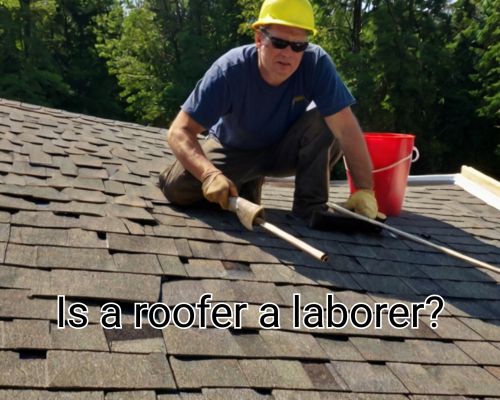
A roofer checks every detail twice.

Defining the Terms: What Is a Laborer? What Is a Roofer?

Before diving in, it’s important to define what we mean by “laborer.” In construction terms, a laborer is often viewed as an unskilled or semi-skilled worker who performs general manual tasks on job sites—like hauling materials, cleaning up debris, and supporting other trades.

A roofer, on the other hand, is a skilled trade professional who installs, repairs, and maintains roofs made from a variety of materials, such as asphalt shingles, tile, metal, or flat roofing systems. In states like Florida, particularly West Palm Beach, roofing work is regulated, licensed, and requires extensive experience and knowledge due to weather demands and hurricane codes.

So—is a roofer a laborer? Not quite.

The Legal and Industry Perspective in Florida

In the State of Florida, roofing is a licensed trade. According to the Florida Department of Business & Professional Regulation (DBPR), individuals must obtain a Certified Roofing Contractor License to operate legally. This requirement sets roofing apart from traditional general laborer roles.

In West Palm Beach, roofers are often subcontracted by general contractors or operate as independent roofing contractors, frequently under companies like Star Roofing, Tiger Team Roofing, or local GAF-certified firms.

Thus, from a legal and occupational standpoint, a roofer is not a general laborer. Instead, they’re skilled tradespeople whose work requires:

  • Technical training
  • Licensing and certification
  • OSHA safety compliance
  • Material-specific expertise
  • Knowledge of Florida Building Code and local wind mitigation standards

Skilled Labor vs. Manual Labor: The Overlap and the Difference

Here’s where it gets nuanced.

Yes, roofers perform manual labor—it’s physically demanding, with tasks like:

  • Climbing ladders
  • Carrying heavy bundles of shingles
  • Maneuvering on steep slopes in extreme heat

However, the manual aspect doesn’t mean the job is unskilled. In fact, roofing is highly specialized. Roofers must understand:

  • Roofing systems (pitched vs. flat roofs)
  • Underlayment types
  • Flashing installation
  • Leak detection techniques
  • Structural load distribution

This technical proficiency aligns roofers more with trades like electricians, plumbers, and HVAC technicians, not with day laborers or helpers.

The Economic Context in West Palm Beach, Florida

In Palm Beach County, where West Palm Beach is a hub of residential and commercial development, roofing is big business.

Labor statistics show that:

  • The average roofer’s wage in West Palm Beach exceeds $22/hour, or roughly $45,000–$60,000 annually, depending on experience and certifications.
  • Many roofers operate as 1099 contractors or own small businesses, with some pulling in six figures during peak storm seasons.

Compare that to general laborers, who typically earn between $13–$17/hour, and it’s clear the market values roofers as specialized professionals.

Why the Misconception?

There’s a societal bias at play. Roofing involves sweat, dirt, and risk. To the untrained eye, it resembles “just hard work,” akin to what one might expect from laborers on a demolition or cleanup crew.

However, just because a job is physically demanding doesn’t mean it’s unskilled.

In fact, roofing combines:

  • Craftsmanship: installing architectural shingles or Spanish barrel tile with precision
  • Engineering: ensuring drainage, support, and code compliance
  • Problem-solving: identifying the source of leaks or structural issues

The West Palm Beach roofing industry also includes many licensed roof inspectors, estimators, and foremen, all of whom began as hands-on workers but climbed the professional ladder through skill—not just sweat.

Education, Apprenticeships, and Training

To become a roofer in Florida, many start through apprenticeships, technical schools, or on-the-job training with licensed contractors.

Some key roofing educational resources in West Palm Beach include:

  • Palm Beach State College (technical trades program)
  • Florida Roofing and Sheet Metal Contractors Association (FRSA)
  • GAF CARE Program (certified installer training)

These pathways reflect a structured route into a specialized trade, not entry-level labor.

Local Demand and Seasonality in West Palm Beach

In West Palm Beach, roofing isn’t just a necessity—it’s a high-demand service driven by:

  • Hurricane season prep and repair
  • Storm damage restoration
  • Luxury real estate development
  • Energy-efficient upgrades (solar-integrated roofing)

This demand fuels a professional ecosystem where roofers collaborate with:

  • Insurance adjusters
  • General contractors
  • Structural engineers
  • Real estate developers

And while many still work with their hands, they’re executing complex solutions under tight regulatory standards.

From Roofer to Roofing Contractor: A Career Ladder

Unlike laborers who may remain in general roles indefinitely, roofers often transition to higher-level positions, such as:

  • Roofing supervisors
  • Project managers
  • Licensed contractors
  • Business owners

In West Palm Beach, where both commercial and residential roofing needs continue to grow, the path from roofer to entrepreneur is well-worn—and well-paid.

Final Verdict: So, Is a Roofer a Laborer?

Short Answer: No.
💡 Long Answer: A roofer is a skilled tradesperson who performs physical labor, but their work requires training, licensing, technical expertise, and adherence to local codes—especially in coastal Florida regions like West Palm Beach.

While the job involves hard labor, roofers are not laborers in the traditional, unskilled sense. They are essential professionals in the Florida construction economy, especially in storm-prone zones.

CTA: Thinking of Hiring a Roofer in West Palm Beach?

Make sure they’re licensed, insured, and locally experienced. Roofing isn’t just another labor job—it’s the first line of defense for your home. Choose a roofer who’s more than a worker. Choose a professional.

🙄 And if you’re asking because you’re considering roofing as a career? Take pride—it’s not just a job, it’s a skilled trade with serious upward potential. Just bring sunscreen. And maybe a harness.


Related Post

The Algorithmic Architects of Love: Advanced Matching in London DatingThe Algorithmic Architects of Love: Advanced Matching in London Dating

At the very core of how modern singles in London are connecting is a revolutionary, yet invisible, force: advanced matching algorithms. These aren’t the simple systems of yesterday that only looked at age and location; today, they are intricate, dynamic engines built to analyze and interpret vast amounts of user data, providing a foundation for meaningful relationships at according to  https://trans4mind.com/.

These algorithms dive deep, processing complex layers of information that give a true sense of a person’s dating style. They look at subtle cues like communication patterns, response times, and the nuances of language use in your messages. This level of analysis allows dating platforms to move beyond superficial compatibility and deliver matches that feel surprisingly intuitive and genuinely compatible.

One of the most compelling aspects of this technology is the role of predictive analytics. The algorithm isn’t just assessing your current compatibility based on static profile answers; it actively forecasts how a relationship might evolve by examining trends in your behavior over time. For example, if you and a potential partner have consistently responded positively to similar profiles or messaging styles in the past, the system views this shared history as a promising foundation for a strong match. This forward-looking approach often explains why users in the bustling London dating scene find their matches surprisingly accurate—it’s technology predicting chemistry according to  https://citygoldmedia.com/.

Furthermore, these systems embody the power of machine learning; they continually learn and refine their recommendations as you interact with the platform. Every swipe, every message, every profile you linger on provides real-time feedback that the algorithm incorporates to sharpen its understanding of your tastes and, just as importantly, your deal-breakers. Think of it as having a relationship assistant that evolves alongside your experience, becoming ever more attuned to the specific kind of person who will likely “click” with you in a city as diverse as London.

The depth of data considered is comprehensive and goes far beyond the obvious. It includes:

  • Explicit preferences: Your noted interests, desired traits, and what you’ve manually stated you’re looking for.
  • Behavioural data: The frequency, time of day, and style of how you use the app.
  • Psychological indicators: Inferred personality traits based on the choices you make on the app.
  • Social factors: Shared connections, common experiences, or similar circles you and a match might move in, which is especially relevant in a large but interconnected city like London.

The impact of these layered analyses isn’t just theoretical. Dating platforms utilizing such sophisticated matching systems consistently report higher user retention rates and greater satisfaction with the quality of their matches. Users often describe their connections as “clicking” more naturally, a powerful testament to how technology is bridging the gap between cold algorithmic logic and warm human chemistry—a crucial factor for busy professionals in London looking for lasting relationships.

For those navigating AI-powered dating in London or any major city, understanding the complex calculations behind your profile recommendations can drastically improve your engagement. Taking the time to complete profile questionnaires earnestly and interacting thoughtfully with matches provides richer, more accurate data for the algorithm. This, in turn, enhances your chances at forming a truly meaningful connection.

While advanced algorithms expand the very possibilities of modern matchmaking technology, your authentic engagement and investment in the process are equally important. You shape the success of your digital romance by giving the system the data it needs to work its magic. The blend of technology and human effort is what makes modern dating so fascinating in London today.

Affordable WFH Desks for Every Room Size – Work-from-Home Made EasyAffordable WFH Desks for Every Room Size – Work-from-Home Made Easy

Building a home office doesn’t have to mean breaking the bank. With a wide variety of WFH desks designed for small corners, shared rooms, and full-size offices, it’s easier than ever to find an option that fits your space and your budget. Whether you’re working from a studio apartment or converting a spare room into a dedicated workspace, affordable desks provide the comfort and organization needed to stay productive.

From minimalist writing desks to compact L-shaped setups, today’s WFH desk designs balance form, function, and affordability.

What to Look for in a Budget-Friendly WFH Desk

Affordability doesn’t mean compromising on quality. The best WFH desks under budget typically include:

  • Sturdy construction using steel frames or engineered wood
  • Smart layouts for space efficiency
  • Open shelves or drawers for storage
  • Modern finishes to complement any room style
  • Easy assembly for quick setup at home

These features ensure you get a durable and attractive desk that fits your workflow, even in tight spaces.

Best Small-Space WFH Desks

CubiCubi Computer Desk with Side Storage

This compact desk fits well in small bedrooms or living rooms and includes convenient side shelves for books, plants, or office supplies. Available in multiple sizes and finishes, it’s a practical choice for minimalist setups.

Furinno Econ Writing Desk

Designed for tight corners or studio apartments, this desk features a small footprint with built-in shelving. Its vertical design allows you to store items upward instead of outward, saving valuable floor space.

IKEA MICKE Desk

This streamlined desk includes a drawer and cable management system, making it ideal for small WFH setups. The clean design allows it to blend into any decor, from modern to traditional.

Medium-Sized Options for Everyday Use

SHW Home Office Desk

Measuring around 55 inches wide, this desk offers a generous work surface and durable steel legs. Its minimalist style fits well in bedrooms, guest rooms, or open-plan spaces used for dual purposes.

Zinus Jennifer Office Desk

Known for its simple assembly and sleek design, this desk is great for laptop users and casual multitaskers. It comes in various sizes and finishes, making it easy to coordinate with your existing furniture.

Amazon Basics Office Desk with Storage Shelf

A reliable choice for mid-sized rooms, this desk includes a metal frame and an extra shelf for storage or decor. It provides just enough organization without making the setup feel bulky.

Large Desks for Dedicated Workspaces

GreenForest L-Shaped Corner Desk

For those converting a full room into an office, this affordable L-shaped desk maximizes corner space while offering ample surface area for multiple monitors and accessories.

Bestier Home Office Desk with Shelves

Perfect for remote workers who need room to spread out, this desk includes adjustable shelves, a sturdy frame, and wide workspace. It’s ideal for creatives, writers, and professionals who use more than one device.

Sauder Beginnings Computer Desk

With a full-size design, keyboard tray, and storage compartments, this desk brings functionality to any home office. Its pricing makes it accessible while still offering long-term reliability.

Matching Desk Style to Room Size

When choosing a desk, consider the shape and layout of your space:

  • For small rooms: Stick to straight, narrow desks under 48” wide
  • For multipurpose rooms: Look for folding desks or models with hidden storage
  • For larger spaces: Go with wide desks or L-shaped models that double as collaborative or creative stations

Neutral tones like white, gray, and natural wood finishes help smaller rooms feel more open, while dark woods or black frames anchor a larger room with a bold, focused look.

Desk Features That Maximize Space

Many affordable WFH desks come with space-saving features built in:

  • Monitor shelves to lift screens and free up desktop area
  • Keyboard trays to slide peripherals out of sight
  • Open legroom for flexible seating
  • Hooks or side holders for bags and headphones
  • Compact drawers to organize essentials

Even if you’re short on square footage, these features allow you to maintain a productive, organized space without crowding your home.

Style Meets Function on a Budget

With thoughtful designs, today’s affordable WFH desks cater to every style preference. Choose from:

  • Modern minimalism with clean lines and matte finishes
  • Rustic farmhouse with wood textures and metal accents
  • Industrial chic featuring mixed materials and exposed frames
  • Classic home office with rich finishes and traditional drawers

Matching your desk to your space helps create a work environment that feels intentional, motivating, and uniquely yours.

Appliance Movers

How Professional Appliance Movers Simplify Your RelocationHow Professional Appliance Movers Simplify Your Relocation

Relocating heavy appliances can be daunting. Whether you’re moving to a new home or business location, large items like refrigerators, washers, and stoves can be difficult to transport. Thankfully, appliance movers are here to make the process simpler. These professionals bring the right equipment, expertise, and safety protocols to ensure your appliances are moved quickly and without damage. In this article, we’ll dive into how hiring professional appliance movers can make your move smoother.

Expert Handling of Heavy Appliances

Moving large appliances requires more than just muscle. Appliance movers are trained to safely handle bulky items without causing harm to your property or the appliances themselves. Their experience ensures that they know exactly how to lift and transport these items without the risk of injury or damage.

Why Expertise Matters:

  • Avoid Damage: They know how to protect your appliances from scratches, dents, or other damage.
  • Efficient Moves: Professionals can safely navigate tight spaces, stairs, and doorways, ensuring that all items are moved securely and without damage.

Safety Benefits for You and Your Home

The process of moving heavy appliances is not only complex on your back but can also cause damage to your home if not done carefully. By hiring heavy appliance movers near me, you ensure that professionals handle the lifting and maneuvering. They come equipped with the right tools to prevent damage to walls, floors, and doors.

Safety Features of Professional Movers:

  • Proper Lifting Techniques: Movers are trained to avoid injury and use correct lifting methods.
  • Protection for Property: They use moving blankets and other protective equipment to safeguard your home.

Access to Specialized Tools

Appliance Movers

Moving large appliances requires specialized equipment that many homeowners don’t own. Commercial appliance movers bring dollies, ramps, lifting straps, and other necessary equipment to handle the move. These tools are essential for keeping your appliance secure and preventing any damage during transportation.

Key Tools for Appliance Moving:

  • Dollies and Ramps: These help in smoothly moving appliances without dragging them across the floor.
  • Lifting Straps: Professionals use these to lift heavy items without straining themselves or causing damage safely.

Save Time and Effort

Moving appliances on your own can take hours, and without the proper knowledge, it can be a frustrating experience. Appliance moving services allow you to free up time by letting the professionals handle the heavy lifting. You can focus on other parts of the move, knowing that your appliances are in good hands.

Time-Saving Benefits:

  • Faster Moves: Professionals work efficiently to get your appliances to their new location quickly.
  • No Hassle for You: Avoid the stress of figuring out how to transport large items yourself.

Insurance for Peace of Mind

One of the most significant advantages of hiring appliance moving companies is that they provide insurance coverage for your appliances. If anything goes wrong during the move, you’re covered. This adds an extra layer of peace of mind that you wouldn’t get if you were moving appliances yourself.

What’s Covered by Insurance:

  • Damage to Appliances: If your appliances are damaged during the move, you’re compensated.
  • Home Damage: Insurance also covers any accidental damage to walls, floors, or doors in your home.

Cost-Effective in the Long Run

Although hiring professionals might seem like an extra expense, it can save you money in the long run. Damaged appliances or property can result in expensive repairs. When you hire professional appliance movers, you avoid the risk of costly damage, ensuring that your appliances arrive safely.

Why It’s Worth the Investment:

  • Avoid Repair Costs: Preventing damage means no need for costly appliance or property repairs.
  • Efficiency Equals Savings: Professionals complete the move in less time, which can reduce labor costs and stress.

FAQ Section

Q1: What appliances do professional movers handle?

Professional movers can transport a wide range of appliances, including refrigerators, stoves, washers, dryers, and commercial kitchen equipment.

Q2: How much does it cost to hire appliance movers?

The cost of hiring appliance movers varies, typically ranging from $100 to $500, depending on the size of the move and the distance involved.

Q3: Are my appliances insured during the move?

Yes, most professional moving companies offer insurance to protect both your appliances and property.

Q4: How early should I schedule professional movers?

It’s best to schedule at least a week or two in advance to ensure availability.

Hiring appliance movers can significantly reduce the stress of moving heavy items. From ensuring safety and preventing damage to saving time and money, professional movers offer numerous benefits. Whether you’re looking for heavy appliance movers near me or require commercial appliance movers, choosing the right moving company ensures your appliances are in capable hands. Save yourself the hassle and ensure a smooth move by hiring professional movers today.

Buzzmoving pairs you with trusted movers nationwide for an easy, stress-free relocation. Get your free quote today and let our experts manage the details!