New England Industrial Uncategorized How Much Does It Cost to Put a Metal Roof on a 2000 Sq Ft House in New Jersey?

How Much Does It Cost to Put a Metal Roof on a 2000 Sq Ft House in New Jersey?

How Much Does It Cost to Put a Metal Roof on a 2000 Sq Ft House in New Jersey?

When it comes to roofing, one of the most important decisions homeowners make is choosing the material for their roof. Among the many options available, metal roofing has become an increasingly popular choice for homeowners in New Jersey. Whether you’re upgrading your existing roof or building a new home, it’s crucial to understand the costs involved in installing a metal roof on a 2000 sq ft house. With Charles Jimerson of CJ Commercial Roofing NJ, we’ll explore the factors influencing the cost of metal roofing, provide a cost breakdown, and highlight the key benefits of this long-lasting roofing option.
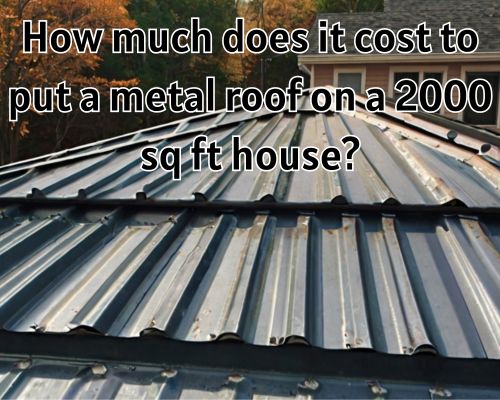
A sturdy metal roof installation with seamless panels,

Why Choose a Metal Roof?

Before diving into the cost, let’s take a look at why so many homeowners in New Jersey are opting for metal roofs. Metal roofing offers a range of benefits, including durability, energy efficiency, and minimal maintenance. With harsh winters and intense summer storms common in New Jersey, a metal roof is an excellent choice due to its resilience against snow, rain, and high winds. Furthermore, metal roofs can last 40-70 years, depending on the material, compared to traditional asphalt shingles, which typically last 15-30 years.

Factors Influencing the Cost of a Metal Roof

The cost to install a metal roof on a 2000 sq ft house in New Jersey varies depending on several factors. Here are the primary aspects that impact the final price:

1. Type of Metal Roofing

The type of metal used for your roof significantly affects the overall cost. Common metal roofing materials include:

  • Steel: The most widely used material, steel is affordable and highly durable. The average cost of steel roofing ranges from $5 to $12 per square foot.
  • Aluminum: Slightly more expensive than steel, aluminum is lightweight, resistant to rust, and suitable for coastal regions. Prices typically range from $7 to $15 per square foot.
  • Copper: One of the most expensive options, copper roofing offers exceptional aesthetic appeal and longevity, but it can cost anywhere from $15 to $30 per square foot.

The choice of metal plays a crucial role in determining the overall cost, so it’s essential to consider your budget and the specific requirements for your home.

2. Roofing Design and Complexity

A 2000 sq ft house may have a relatively simple roof design, but if your home has additional features such as multiple slopes, dormers, or skylights, it can increase the cost. Roofing complexity means more labor and materials, which can drive up the price. Roof designs such as gable, hip, and mansard require different techniques and materials, affecting both labor and installation time.

3. Labor Costs in New Jersey

Labor costs are another significant factor when determining how much it costs to install a metal roof. On average, labor costs for roofing contractors in New Jersey range from $50 to $150 per hour, depending on their expertise and location. Contractors in metropolitan areas like Newark and Jersey City may charge higher rates due to the cost of living and demand for services.

4. Roof Pitch and Accessibility

A roof’s pitch (the angle of the slope) and its accessibility can impact the installation cost. Steeper roofs are more difficult and dangerous to work on, so they may incur additional labor costs. In contrast, a flat or low-pitched roof is easier and safer to install, reducing labor expenses.

5. Removal of Existing Roof

If you’re replacing an old roof, the cost of removing the existing roofing material must also be factored into the total cost. The removal of old shingles or tiles typically adds $1 to $3 per square foot to the overall project cost. The age and condition of the current roof can affect the difficulty of removal, and if there’s any hidden damage, additional repairs may be needed.

6. Geographic Location in New Jersey

Roofing costs can fluctuate depending on where you are located within New Jersey. For example, roofing costs in Bergen County or Monmouth County may differ from costs in more rural areas like Sussex County due to the cost of living and availability of skilled labor. Additionally, areas near the coast, such as Atlantic City, may require specialized roofing materials like aluminum to resist corrosion from saltwater.

Cost Breakdown for a 2000 Sq Ft Metal Roof

To estimate how much it will cost to install a metal roof on a 2000 sq ft house in New Jersey, let’s break down the costs based on the various factors discussed.

  • Steel Roof (Basic Option): $5 to $12 per square foot.
    • Total cost for a 2000 sq ft house: $10,000 to $24,000.
  • Aluminum Roof (Mid-range Option): $7 to $15 per square foot.
    • Total cost for a 2000 sq ft house: $14,000 to $30,000.
  • Copper Roof (Premium Option): $15 to $30 per square foot.
    • Total cost for a 2000 sq ft house: $30,000 to $60,000.

In addition to the roofing material, the labor cost will typically range from $2,000 to $5,000 for a 2000 sq ft roof. Removing the old roof could add another $2,000 to $4,000 to the total cost.

Average Total Cost for Metal Roofing in New Jersey

Taking all the above factors into account, homeowners in New Jersey can expect to pay between $12,000 and $50,000 for a metal roof on a 2000 sq ft home. This estimate includes both materials and labor. If you’re replacing an old roof or opting for premium materials like copper, you could find yourself closer to the higher end of this range.

Additional Costs to Consider

Beyond the base cost of installation, there are other potential expenses to be aware of when installing a metal roof:

  • Underlayment: Some metal roofing systems require an additional underlayment to enhance waterproofing and insulation. This can add $1 to $3 per square foot.
  • Roof Flashing: Flashing around chimneys, skylights, and vents helps prevent leaks. Expect to pay an additional $500 to $1,500 for flashing, depending on the complexity of the installation.
  • Warranties: Many metal roofing manufacturers offer warranties ranging from 20 years to a lifetime. Be sure to factor in any extended warranty costs, as they can add to the overall project expense.

Long-Term Savings and ROI

Although the upfront cost of installing a metal roof can be higher than traditional roofing materials, the long-term benefits can result in significant savings. Metal roofs are highly energy-efficient, reflecting heat from the sun and keeping your home cooler during the summer months, which can reduce your cooling costs. Additionally, the durability and low maintenance requirements of metal roofs mean that you won’t have to worry about frequent repairs or replacements.

Conclusion

The cost of installing a metal roof on a 2000 sq ft house in New Jersey ranges between $12,000 and $50,000, depending on the type of metal roofing material, labor costs, and additional factors such as roof design and removal of the old roof. While the initial investment may be higher than traditional roofing materials, the long-term durability, energy savings, and minimal maintenance requirements make metal roofing a wise choice for homeowners in New Jersey. Make sure to consult with a local roofing contractor like CJ Commercial Roofing NJ to get an accurate estimate tailored to your home and specific needs.

For more information or to get a free roofing consultation, contact trusted New Jersey roofing experts today!


Related Post

How to Know If a Nail Salon Springfield Truly Cares About HygieneHow to Know If a Nail Salon Springfield Truly Cares About Hygiene

How to Know If a Nail Salon Springfield Truly Cares About Hygiene

A clean salon is more than good looks. Hygiene protects your health, your nails, and your overall comfort and satisfaction. Before you sit down at a nail salon Springfield locals trust, it helps to know what real cleanliness looks like. This guide shows how to recognize a professional, hygienic nail salon from the moment you walk in. Keep reading to learn what separates one of the best salons from the rest.

Why Hygiene Standards Matter in a Nail Salon Springfield

Hygiene directly affects your safety, relaxation, and nail care results. Nail tools touch skin, cuticles, and nail beds. Poor sanitation increases the risk of infection, irritation, or damage. A nail salon in Springfield that values hygiene focuses on prevention through consistent routines and professional technique.

Clean practices also reflect how dedicated a salon is to beauty care in Springfield. From manicures and pedicure services to acrylic extensions, dip powders, and nail enhancements, hygiene supports every treatment. You can learn more about general sanitation standards through this overview on hygiene practices

Clean Tools and Proper Sterilization Methods

Tools should never be reused without proper cleaning. Metal instruments must be sanitized between every client. A professional nail salon Springfield guests rely on follows strict procedures, including:

  • Sanitizing metal tools after every service
  • Using sealed sterilization pouches or approved disinfectants
  • Providing new or individually labeled files and buffers

These steps protect both the technician and the client while supporting long term nail beauty and nail care.

Workstations Tell You Everything

The manicure table reveals a lot about a salon’s habits. Surfaces should be wiped before and after every service. Dust from filing should not linger on tables or floors.

A clean workstation often includes:

  • Organized products with closed containers
  • Fresh towels and tools ready for each client
  • A calm and relaxing atmosphere

This attention to detail shows respect for nail beauty services and helps create a true spa in Springfield experience.

Licensing and Visible Compliance

Professional salons display licenses clearly. This includes technician certifications and salon permits required in Missouri. These documents confirm training, safety knowledge, and compliance with state regulations.

A nail salon Springfield MO guests trust shows transparency by:

  • Displaying licenses in visible areas
  • Maintaining up to date certifications
  • Following all state and local guidelines

Being located in Springfield and following these rules builds confidence and trust.

Technician Hygiene and Personal Care

Clean hands are essential in nail care. Technicians should wash or sanitize before every manicure, pedicure, waxing service, or eyelash treatment. Uniforms should appear neat, stylish, and well maintained.

Professional hygiene habits often include:

  • Sanitizing hands before each service
  • Using gloves during certain treatments
  • Maintaining clean tools and work attire

These details enhance comfort and satisfaction and support a relaxing time for every client.

Product Quality and Clean Storage

Open products should never appear contaminated. Polish bottles should be clean around the neck and free from buildup. Gels, lotions, and color products should be dispensed properly.

Watch for signs of good product hygiene, such as:

  • No double dipping into containers
  • Clean polish bottles and pumps
  • Organized storage areas

A premier nail salon Springfield clients trust uses quality products, offers deluxe options, and maintains safe storage for all nail beauty services.

How Air Quality and Ventilation Play a Role

Good ventilation improves comfort and safety for everyone inside the salon. Strong chemical smells should not overwhelm the space. Look for open layouts, proper airflow, or air filtration systems.

Fresh air helps clients unwind and relax during treatments. This detail reflects long term care for both staff and guests seeking beauty and relaxation.

Book a Clean and Professional Experience With Uniquely Herrs

Your health and comfort deserve priority. At Uniquely Herrs, hygiene is part of every service we provide. Our nail salon in Springfield MO 65807 is dedicated to cleanliness, professional care, and precision technique.

We offer manicures, pedicure services, acrylic and gel nails, dip powders, nail art, waxing services, and eyelash treatments in a welcoming nail lounge atmosphere. With over 15 years of experience and a Master Nail Technician, you are pampered to the fullest.

Located in Springfield near Ave and Rd access points, we proudly serve clients from MO 65804 and surrounding areas. View us on the map, call our phone at 417 619 4895, and visit us today for exceptional services that enhance your beauty with luxury, comfort, and care.

Nail Salon and Eyelash Extensions | Uniquely Herrs

3433 S Campbell Ave Suite L1, Springfield, MO 65807  

(417) 619-4895

Rally on Time, Win the Window: A Better Way to Top Up Frost & Flame: King of AvalonRally on Time, Win the Window: A Better Way to Top Up Frost & Flame: King of Avalon

If you’ve played Frost & Flame: King of Avalon long enough, you know the real game happens between timers. Your alliance pings for a rally, a shop rotation drops the exact piece you’ve been chasing, and your research queue is down to five minutes—but your packs are empty. Momentum evaporates, and the window closes. I got tired of that. So I switched to a refill routine that’s fast, clear, and boring in the best possible way—because the less time I spend on checkout, the more time I spend growing power.

Here’s the flow that keeps me on schedule: choose a bundle, confirm player details, pay, done. No labyrinth of modals, no “mystery fees,” and no waiting room where orders disappear for hours. If you want to see what that looks like, head to buy packs for King of Avalon—the page spells out the options in plain language, and you’ll get a confirmation that actually tells you what just happened.

Why does a smoother top-up matter in KOA? Because timing and iteration win wars. Being able to act right now unlocks all the small edges that stack:

  • You catch events at the exact tick. Seasonal milestones, ranking pushes, and alliance sprints reward players who are ready, not “ready tomorrow.”
  • You iterate faster. Trying a new gear path or troop mix is a lot easier when resources arrive in minutes, not after your buff windows close.
  • You keep pressure on. A fortress siege doesn’t wait while you sort billing. When the rally timer starts, you need to be upgrading—not refreshing a cart.

Security should be invisible, but solid. Payments are processed through trusted gateways over encrypted connections, and your account info is used strictly to deliver the purchase—nothing extra, nothing repurposed. If you prefer having a single bookmark for game night, save the Manabuy King of Avalon store so a reliable route is always one tap away.

What I appreciate most is the predictability. Pricing is transparent (no last-second add-ons), fulfillment is quick enough that my buffs don’t drift, and on the rare occasion an order needs a manual check, a real person gets in touch with clear steps. No copy-paste loops, no “try again later” black holes. Just practical help that gets you back to building.

A few habits that make every purchase count:

  1. Match bundle size to your rhythm. Daily grinders usually save with larger packages; If you’re more event-focused, mid-tier keeps flexibility high.
  2. Preload before big windows. Alliance rallies, kill events, and shop refreshes reward readiness—top up before the timer turns green.
  3. Double-check your player ID. One character off is the #1 cause of delays; a quick glance prevents it.
  4. Track high-impact wins. When an upgrade gives a noticeable power jump or rally performance boost, note it—and repeat those buys next cycle.
  5. Set a monthly ceiling. Intentional spending keeps progress steady and avoids impulse buys after midnight.

Phone flow matters too. Most of us refill between tasks, on the couch, or while watching chat scroll by. The checkout is clean on mobile—no pinching around tiny buttons—so you can confirm an order in a minute and get back to coordinating. Your purchase history is tidy, which is helpful if you manage a farm account or occasionally top up for a friend.

What changes after a week with a frictionless top-up routine is subtle but real. You stop postponing smart moves because you’re “almost out.” You test more, fail faster (in a good way), keep what works, and move your plan forward in smaller, steadier steps. That compounding effect is how kingdoms pull ahead: not one giant leap, but a hundred in-time nudges.

Most importantly, a predictable refill frees your attention. Instead of juggling forms and receipts under pressure, you focus on rally timing, troop ratios, Dragon tuning, and the map decisions that actually swing outcomes. That’s where the game is won.

If you’re ready to keep your alliance momentum alive and your walls strong, grab a bundle from KoA diamond recharge. Quick delivery, clear pricing, and a checkout you can trust—so the only countdown you’re watching is the rally timer, not a spinning wheel.

Michigan to Texas

Moving from Michigan to Texas: A Comprehensive Guide to Costs and TipsMoving from Michigan to Texas: A Comprehensive Guide to Costs and Tips

Relocating from Michigan to Texas can be a thrilling adventure, but understanding the costs involved will help ensure a successful and stress-free move. Whether you’re moving for work, family, or a new opportunity, the transition can be easier when you plan and are mindful of your budget. This guide will provide you with essential information about moving costs, along with helpful tips to save money and make the process smoother.

Key Factors Affecting the Cost of Your Move

Moving from Michigan to Texas is a significant undertaking, and several factors will influence the overall cost of your move. Here are the key elements to consider:

Typical Moving Costs for Michigan to Texas

Michigan to Texas

To give you an idea of what to expect, here is a breakdown of typical costs associated with a move from Michigan to Texas:

  • Full-Service Move: For a full service move, where movers handle everything, including packing, transportation, and unpacking, costs usually range from $3,500 to $6,500. The price depends on the size of your move, the services you need, and the distance.
  • Truck Rental: If you’re considering a DIY move, renting a truck is a more affordable option, with costs ranging from $1,500 to $2,500. However, this requires more effort on your part, as you will be responsible for packing, loading, and unloading the items.
  • Hybrid Move: If you choose a hybrid option where you pack your items but hire movers for loading and unloading, expect to pay between $2,000 and $4,500.

Additional Costs to Consider

When moving from Michigan to Texas, there are several other costs you may need to account for:

  • Packing Supplies: Boxes, packing tape, bubble wrap, and other materials are essential for protecting your belongings. These costs can range from $100 to $300, depending on the number of items you have.
  • Insurance: While optional, moving insurance is highly recommended, especially if you’re transporting valuable or fragile items. Insurance costs can range from $100 to $500, depending on the type of coverage and the value of your items.
  • Storage Fees: If your new home is not ready upon your arrival, you may need to store your belongings temporarily. Storage fees typically range from $50 to $250 per month.
  • Temporary Housing: If you need a place to stay in Texas before moving into your new home, the costs of temporary housing or a hotel should be considered.

Tips for Reducing Your Moving Costs

Although moving can be expensive, there are various ways to reduce your expenses and save money during the process:

  • Plan Ahead: Booking your moving services well in advance can help you secure better rates and give you ample time to organize the details of your move.
  • Downsize Your Belongings: Reducing the number of items you need to move will lower your costs. Take the time to sell, donate, or discard items you no longer need. This will make your move more affordable and less stressful.
  • Get Multiple Quotes: Don’t settle for the first moving company you find. Request quotes from at least three different movers, compare their services, and choose the one that offers the best value.
  • Move Off-Peak: If possible, avoid moving during the busy summer months. Moving during the fall or winter can help you save on costs, as rates are typically lower during these times.

Frequently Asked Questions

Q: How much does it cost to move from Michigan to Texas?

A: On average, moving from Michigan to Texas can cost anywhere from $2,500 to $6,500, depending on factors like the size of your move, the type of services you choose, and the time of year.

Q: What’s the most affordable way to move from Michigan to Texas?

A: The cheapest way to move is by renting a truck and doing the packing, loading, and unloading yourself. However, this requires considerable time and effort on your part.

Q: Should I consider moving insurance for my move?

A: While moving insurance isn’t mandatory, it is recommended to protect valuable or fragile items. Insurance costs vary, but it offers peace of mind during the move.

Q: Can I save money on my move from Michigan to Texas?

A: Yes! To save money, consider planning your move, downsizing your belongings, comparing moving quotes, and scheduling your move during the off-peak season.

Michigan to Texas

Moving from Michigan to Texas doesn’t have to be a stressful and expensive experience. By understanding the costs involved, taking the time to plan your move, and using the right strategies, you can ensure a smoother and more affordable relocation. Whether you opt for a full-service move or choose to take on more of the work yourself, careful planning and wise, informed decisions will help you save money and make the transition as seamless as possible.

BuzzMoving connects you to a trusted network of movers nationwide, providing exceptional service every step of the way. Request your free quote today for a smooth, hassle-free move.