New England Industrial Uncategorized How Do I Find a Leak in My Gutter? A Homeowner’s Guide for Melbourne, Australia

How Do I Find a Leak in My Gutter? A Homeowner’s Guide for Melbourne, Australia

How Do I Find a Leak in My Gutter? A Homeowner’s Guide for Melbourne, Australia

Gutters are the unsung heroes of your home’s roofing system, quietly directing rainwater away from your foundation and protecting your walls, windows, and landscaping from water damage. But what happens when they stop doing their job properly? You’re left asking: “How do I find a leak in my gutter?” This seemingly simple question is one that many Melbourne homeowners ask—especially during Victoria’s unpredictable wet seasons.
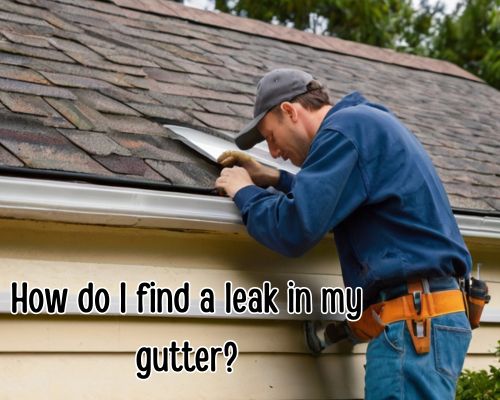
Fixing roof gutter near downspout.

In this guide, we’ll walk you through the most efficient ways to detect gutter leaks, why it matters, the common causes in Melbourne’s climate, and how to address them before they snowball into costly repairs. Whether you live in Brunswick, Frankston, or the leafy streets of Camberwell, spotting a leak early could save you thousands in structural damage.

Why Gutter Leaks Are a Big Deal in Melbourne

Melbourne’s climate, classified as oceanic, brings heavy rain in winter and unexpected downpours throughout the year. Combine that with gum leaves from native eucalyptus trees or silt from frequent winds, and your gutter system can take a beating. Over time, wear and tear from UV rays, corrosion due to salty coastal air (particularly in areas like St Kilda and Brighton), and improper gutter slope can lead to leaks.

Ignoring even a small leak can result in:

  • Soil erosion around your home’s perimeter
  • Sagging fascia boards and roof damage
  • Mould growth inside walls
  • Water ingress into foundations or basements

So the sooner you identify a gutter leak, the better.

Signs You Might Have a Gutter Leak

Before you even climb a ladder, look for these telltale signs:

  1. Drips or Water Stains on the exterior walls
  2. Pooling Water near the base of your home after rain
  3. Discolouration or streaking on the gutters themselves
  4. Peeling Paint on the siding or under the eaves
  5. Visible Gaps or Cracks when inspecting from ground level

Step-by-Step: How Do I Find a Leak in My Gutter?

1. Inspect During a Rainfall (Safely)

There’s no better time to spot an active leak than during a light rain shower. With an umbrella in one hand and a keen eye, walk the perimeter of your home. Look for drips or water escaping from seams, joints, or mid-gutter areas.

Pro Tip: In Melbourne’s frequent drizzle, this method is convenient—just wait for a dry break to do repairs. You may also see gutter services for your needs.

2. Run a Hose Test

Can’t wait for rain? Use a garden hose. Start at the gutter’s high point and slowly run water through. Have a second person watch from below to identify leaks or odd water flows. Note any water that spills over the side or drips where it shouldn’t.

3. Climb Up for a Close Inspection

Once it’s safe and dry, use a sturdy ladder to get eye-level with your gutters:

  • Check seams and joints—these are common fail points, especially in sectional gutters.
  • Inspect corners and end caps for small cracks or gaps.
  • Look for rust spots or pinholes in older metal gutters.
  • Remove debris like gum leaves or bird nests that may be hiding the source of a leak.

If your home has a Colorbond roof, common in Melbourne suburbs like Doncaster or Glen Waverley, check where gutters meet rooflines as shifting panels may stress the gutter brackets over time.

4. Don’t Forget Downpipes and Flashing

Sometimes, what seems like a gutter leak is actually a damaged downpipe or faulty flashing where the roof meets the gutter. Listen for odd drips or splashes in the downpipe or inspect around flashing areas for water trails.

Common Causes of Gutter Leaks in Melbourne Homes

  • Clogged Gutters: Eucalyptus leaves and dust are common clog culprits in Melbourne. Blockages create overflow that mimics a leak.
  • Worn Seals and Loose Screws: Over time, UV and heat cycles degrade rubber seals and loosen gutter hardware.
  • Rust and Corrosion: Older steel gutters, especially near the bay or in high-salt air zones like Port Melbourne, are prone to rust.
  • Improper Slope or Installation: A poorly sloped gutter doesn’t drain correctly, leading to standing water and eventual corrosion.

Fixing a Gutter Leak: DIY or Pro?

If the leak is minor, a DIY patch may suffice:

  • Silicone sealant can plug small holes or seal seams.
  • Gutter repair tape works well in dry conditions.
  • Replacement of short sections may be needed for larger cracks.

But for large leaks, multiple failure points, or complex roofing systems, hiring a local gutter professional (see gutter services) in Melbourne is wise. Many offer free roof and gutter inspections and will understand how to handle unique local challenges like tile roofs or weatherboard exteriors.

Look for licensed roof plumbers with experience in your suburb. Services in Carlton might focus on terrace homes with cast iron downpipes, while those in Rowville may be more accustomed to Colorbond and aluminum installations.

Prevent Future Leaks: Proactive Maintenance Tips

  1. Schedule Biannual Gutter Cleaning
    Especially in autumn and spring. Use gutter guards if gum trees surround your property.
  2. Install Gutter Guards
    Mesh gutter covers prevent debris accumulation—popular among homeowners in suburbs like Eltham or Greensborough where trees dominate.
  3. Get Annual Inspections
    Many Melbourne roofing companies offer yearly checkups, often bundled with roof tile inspections.
  4. Replace Aging Gutters
    If your gutters are over 20 years old and showing signs of frequent failure, consider replacing them with modern, seamless options or corrosion-resistant materials.

Local Resources and Services in Melbourne

  • Victorian Building Authority (VBA): Check licenses for roof plumbers and guttering professionals.
  • Your Local Council: Offers green waste pickup and may provide advice for stormwater compliance.
  • SES Victoria: Offers emergency support during flooding events from gutter overflow.

Final Thoughts: Spot It Early, Fix It Fast

So, how do I find a leak in my gutter? It begins with vigilance. With Melbourne’s climate, it pays to be proactive. A simple walk around your home, a hose test, and a ladder inspection can help you pinpoint issues before they turn into major damage. And whether you’re in the eastern suburbs or bayside, investing in regular gutter maintenance ensures your home stays dry and damage-free year-round.

When in doubt, always consult a local guttering expert to ensure a permanent fix tailored to your property type and suburb-specific needs.

Related Post

Wrench in hand, plumber fixes leak.

What Does a Plumber Do in One Word? (Warragul Homeowner’s Guide)What Does a Plumber Do in One Word? (Warragul Homeowner’s Guide)

Introduction:

When you think about home maintenance, a few critical trades come to mind — and plumbing is one of the most indispensable. But what if we distilled their essential role down to a single term? If you’re wondering, what does a plumber do in one word, the answer is simple yet powerful: “flow.”

Wrench in hand, plumber fixes leak.

In Warragul, Victoria — a thriving regional town surrounded by the verdant Baw Baw Shire — the need for professional plumbing services is both practical and ongoing. From charming Federation-style homes to modern estates, ensuring the seamless flow of water and waste is non-negotiable. With Plumber Warragul, we unpack the profession through this core concept while integrating local relevance and deeper insight for residents and property managers alike.

Plumbing Defined: “Flow” as the Core Function

If one word could encapsulate the heart of what a plumber does, it’s flow — the movement of water, gas, and waste through a property’s network of pipes, fixtures, and drains. Whether it’s maintaining the flow of clean water into your kitchen sink or ensuring stormwater drains redirect runoff during Warragul’s rainy winters, this principle drives every action a plumber undertakes.

Plumbers in Warragul ensure that systems operate efficiently, safely, and legally, often adhering to strict Victorian Building Authority (VBA) regulations. Their role intersects with environmental safety, energy efficiency, and property value — all under the seemingly simple mandate of maintaining flow.

Key Plumbing Services in Warragul

Let’s dive into the main services that plumbers in Warragul typically offer, all orbiting around that pivotal function:

1. Emergency Plumbing Repairs

Whether it’s a burst pipe after a frosty morning or an overflowing toilet during school holidays, local plumbers in Warragul provide 24/7 emergency response. Quick restoration of flow is crucial to prevent water damage and sanitation issues.

2. Blocked Drains and Sewer Jetting

Backed-up drains are not only inconvenient — they pose health hazards. Plumbers utilize CCTV pipe inspections and hydro jetting equipment to restore flow without damaging Warragul’s heritage pipework, especially in older suburbs like Warragul North and Drouin.

3. Hot Water System Installation and Repair

In cooler climates like Gippsland’s, hot water isn’t a luxury — it’s a daily necessity. Whether you use a gas-boosted solar unit or an electric heat pump, plumbers in Warragul ensure your system heats and distributes water efficiently throughout your home.

4. Gas Fitting and Leak Detection

Many Warragul homes use natural gas for heating and cooking. Certified gas plumbers are trained to install lines, detect leaks, and maintain compliance with Australian Standards (AS/NZS 5601).

5. Rainwater Harvesting and Tank Installation

With sustainability top of mind, many homeowners in regional Victoria are turning to rainwater collection. Plumbers install tanks and greywater diversion systems that comply with council regulations while enhancing water conservation.

For plumbing needs, go to https://plumberwarragul.com.au/.

Salient Entities and Local Relevance

Understanding the role of a plumber also involves recognizing the broader system in which they operate. In Warragul, the salient entities include:

  • VBA (Victorian Building Authority) – Governs licensure and plumbing compliance.
  • South East Water – The regional provider managing mains and stormwater infrastructure.
  • Baw Baw Shire Council – Oversees building permits, rainwater tank rules, and wastewater management.
  • Energy Safe Victoria – Ensures the safe use of gas appliances and fittings.

These local authorities and service providers form the regulatory ecosystem that every licensed plumber in Warragul must navigate. By working within this framework, plumbers protect not only individual households but also the town’s infrastructure and environmental health.

Why “Flow” Matters to Homeowners

In the context of a home, “flow” affects your quality of life, utility bills, and even property value. Poor water pressure, hidden leaks, or sluggish drainage can create ripple effects — from inflated water bills to structural water damage and even mold.

For property managers and real estate investors in Warragul’s growing rental market, hiring qualified plumbers for routine inspections ensures compliance and keeps tenants happy. Regular audits of pipe integrity, backflow prevention systems, and drainage can mitigate costly repairs.

Choosing a Licensed Plumber in Warragul

When hiring a plumber in Warragul, look for:

  • Licensure through the VBA
  • Experience with local properties (especially older or semi-rural homes)
  • Up-to-date training in green plumbing solutions
  • Clear, upfront pricing and warranties
  • Positive local reviews and references

Locally trusted businesses like Warragul Plumbing Services, Gippsland Pipes & Drains, and All Around Plumbing & Roofing exemplify this professional standard, blending modern techniques with regional knowledge.

Common Plumbing Issues in Warragul Homes

To stay proactive, Warragul residents should keep an eye out for:

  • Gurgling drains after storms
  • Low water pressure in winter
  • Dripping outdoor taps (especially on tank-fed systems)
  • Water hammer (banging noises in pipes)
  • Rust-colored water in older homes

These signs all point to disrupted flow, whether from sediment buildup, root intrusion, or airlocks in the system. A local plumber can diagnose and restore balance swiftly.

Future Trends: Plumbing Meets Innovation

The plumbing trade is evolving rapidly, and even in semi-rural towns like Warragul, innovation is key. Plumbers are increasingly trained in:

  • Smart leak detection systems
  • Water recycling for gardens and greywater
  • Tank-to-toilet integration
  • Eco-efficient fittings and fixtures (WELS-rated)
  • Solar hot water system upgrades

These technologies align with both sustainability targets and growing homeowner demand for energy-efficient systems.

Final Thoughts: Why It All Comes Down to “Flow”

So, what does a plumber do in one word? Flow.

In Warragul and across Victoria, plumbers ensure that every drop of water moves in the right direction — safely, efficiently, and sustainably. They’re guardians of comfort and sanitation, playing a vital role in public health and infrastructure upkeep.

Whether you’re building a new home in Brandy Creek or upgrading an older property near Lillico, engaging with a skilled local plumber ensures peace of mind and seamless operation. So next time you hear a drip or feel a drop in pressure, remember the quiet professionals keeping your world in motion — one pipe at a time.

a roof shingle work

What Is Another Name for Roofing? A Deep Dive into Terminology, Trends, and Local Insights in West Palm Beach, FloridaWhat Is Another Name for Roofing? A Deep Dive into Terminology, Trends, and Local Insights in West Palm Beach, Florida

What Is Another Name for Roofing? A Deep Dive into Terminology, Trends, and Local Insights in West Palm Beach, Florida

If you’ve ever wondered what is another name for roofing, you’re not alone. From homeowners navigating construction quotes to real estate professionals deciphering renovation plans, understanding the language of roofing can be surprisingly tricky. The answer might seem simple—“roof covering”, “roofing system”, or “roof cladding” are often used interchangeably—but each term can carry specific connotations depending on industry context and geographic location.

a roof shingle work

In West Palm Beach, Florida, where architecture blends coastal charm with hurricane resilience, the nuances of roofing terminology take on added importance. With David Spade of Star Roofing, let’s explore the various synonyms, types, and components of roofing systems, why terminology matters, and how to choose the right roofing solution for South Florida’s unique climate.

Understanding Roofing Terminology: Common Synonyms and Their Meanings

While the term “roofing” is widely used, professionals may refer to it by several other names depending on their field of expertise:

1. Roof Cladding

Cladding” refers to the outermost layer of the roof—often metal, tiles, shingles, or slate—that serves as the primary weatherproof barrier. In construction and architectural design, this term emphasizes the protective and aesthetic functions of the roof surface.

2. Roof Covering

This term is frequently used in building codes and insurance documents to describe the material applied over the structural elements of a roof. Roof covering includes asphalt shingles, clay tiles, or metal sheets.

3. Roofing System

A “roofing system” refers to the complete assembly, including the decking, underlayment, insulation, flashing, and outer materials. In roofing contracts and estimates, this term is used to reflect holistic services beyond just surface replacement.

4. Roof Envelope

Engineers and building inspectors often refer to the “roof envelope” when evaluating thermal performance, waterproofing, and energy efficiency.

5. Roof Membrane

Common in flat roofing and commercial construction, this term describes waterproof layers used in systems like TPO (thermoplastic polyolefin), EPDM, or modified bitumen.

So next time someone asks, “What is another name for roofing?”—you can confidently say: roof covering, roof cladding, roof envelope, or roofing system, depending on the context.

Roofing in West Palm Beach, Florida: Why Terminology Matters

In Palm Beach County, roofing is not just about shelter—it’s about withstanding tropical storms, UV exposure, and high humidity. With local codes influenced by Florida Building Code (FBC) and Miami-Dade hurricane compliance, selecting the right roofing solution is paramount.

Here’s why clarity in roofing terminology matters for West Palm Beach homeowners and contractors:

  • Permitting: When filing for roofing permits in West Palm Beach, the difference between “re-roofing” and “roof covering replacement” can influence the approval process.
  • Insurance Claims: Local homeowners dealing with post-storm repairs must use accurate terms—like “roof system failure” vs. “shingle damage”—to receive fair claim assessments.
  • Material Selection: Terms like “roof membrane” or “cladding” guide material choices based on wind uplift ratings and moisture resistance.

Popular Roofing Materials in West Palm Beach and Their Alternate Names

In the subtropical climate of West Palm Beach, certain materials dominate due to durability and style. Here’s a list of commonly used roofing materials—many with alternate names worth knowing:

1. Asphalt Shingles (aka Composite Shingles)

  • Widely used in residential homes.
  • Often referred to as three-tab shingles or architectural shingles.
  • Affordable and quick to install.

2. Metal Roofing (aka Standing Seam Roof or Tin Roof)

  • Rising in popularity due to its hurricane resistance.
  • May be called aluminum roofing, zinc panels, or corrugated metal.

3. Clay Tiles (aka Spanish Tiles or Mission Tiles)

  • Aesthetically perfect for Mediterranean-style homes prevalent in South Florida.
  • Heavy but long-lasting—common in Palm Beach estates.

4. Flat Roof Systems

  • Commercial buildings in West Palm Beach often use modified bitumen, TPO, or built-up roofing.
  • Common alternate names include membrane roofing, bitumen layers, or torch-down roofing.

Choosing the Right Roofing Partner in West Palm Beach

Selecting a roofing company in West Palm Beach isn’t just about price—it’s about experience with local codes, understanding regional climate pressures, and offering material diversity.

Look for contractors who:

  • Are licensed under the Florida Department of Business & Professional Regulation (DBPR).
  • Have experience with FEMA guidelines and Miami-Dade-approved materials like David Spade of Star Roofing.
  • Offer a range of systems, from metal roofs to TPO membranes.
  • Provide roofing options that align with Palm Beach County’s wind mitigation requirements.

Some reputable names in the area include West Palm Roofing Pros, Coastal Roofing Solutions, and Everglades Roof & Tile—known for their tailored solutions and compliance expertise.

How Roofing Terminology Impacts Home Value in Palm Beach

Did you know that the way you list your roof in an MLS real estate listing can impact your home’s perceived value?

Terms like “new architectural shingles,” “updated roof envelope,” or “impact-rated roof system” tend to increase buyer interest more than vague references like “roof replaced.”

In West Palm Beach’s competitive real estate market, especially near El Cid, Flamingo Park, and Northwood, proper terminology can give sellers an edge.

Final Thoughts: More Than Just a Roof—It’s a Roofing System

The next time someone asks, “What is another name for roofing?” you’ll know that the answer isn’t one-size-fits-all. From “roof cladding” and “roof covering” to “roofing system,” the term used can reflect material types, professional context, and even geographic needs.

In West Palm Beach, Florida, understanding these distinctions is more than a linguistic exercise—it’s critical to making smart, storm-resilient, and cost-effective choices for your property.

Whether you’re a homeowner planning a remodel, a property investor, or a roofing professional writing content for SEO—precision in your vocabulary translates directly into trust, compliance, and search engine visibility.

Need a Roof in West Palm Beach? Ask the Experts.

📍 From downtown West Palm Beach to Palm Beach Gardens, roofing isn’t just construction—it’s protection. Speak with certified local roofing specialists today to get a quote tailored to your home’s style, budget, and resilience needs.

💬 Have questions about your roofing system, covering, or cladding? Let our team help you decode the jargon.

commercial guttering work

What Is the Difference Between Gutters and Leaders? A Homeowner’s Guide in West Palm Beach, FloridaWhat Is the Difference Between Gutters and Leaders? A Homeowner’s Guide in West Palm Beach, Florida

Homeownership in West Palm Beach, Florida, comes with sunshine, sandy breezes—and the need to protect your property from water damage. One overlooked but crucial part of that protection system? Your gutter and leader setup. But here’s the kicker: many homeowners don’t even know what the difference is between the two. So, what is the difference between gutters and leaders? With Mike Owen from Gutters of West Palm Beach, we’ll dive deep into this often-misunderstood topic with real insight, a dash of local context, and SEO-rich clarity.

commercial guttering work

Gutter vs. Leader: Let’s Break It Down

At a glance, gutters and leaders are part of the same system—they work together to manage rainwater runoff from your roof. But they serve very different functions.

Gutters: The Roofline Water Managers

Gutters are the horizontal channels installed along the edges of a roof. Their purpose is simple but critical: collect rainwater as it flows off the roof and redirect it toward the downspouts (aka leaders). In West Palm Beach, where tropical storms and heavy rainfall are common, having properly functioning gutters is essential for preventing water intrusion and foundation damage.

Salient entities related to gutters:

  • Seamless aluminum gutters
  • K-style and half-round gutter systems
  • Roofline drainage solutions
  • Gutter guards and filters

Leaders: The Vertical Drains

Leaders, more commonly referred to as downspouts, are the vertical pipes that connect to the gutter system. Their job is to channel the collected rainwater from the gutters down to the ground or into a drainage system.

In regions like Palm Beach County, where flash floods aren’t rare, the placement and size of leaders is more than cosmetic—it’s critical infrastructure.

Related LSI keywords:

  • Downspout extensions
  • Rainwater drainage system
  • Stormwater control
  • Vertical water pipes

Why the Difference Matters in West Palm Beach, FL

In a city known for its tropical climate, high humidity, and frequent storms, understanding the difference between gutters and leaders isn’t just semantics—it’s home preservation 101.

1. Local Climate Impact

West Palm Beach averages around 63 inches of rainfall annually, well above the national average. During the hurricane season, sudden torrential downpours are common, which means both your gutters and leaders need to work seamlessly.

Improper drainage in this area can lead to:

  • Soil erosion
  • Basement flooding
  • Exterior staining
  • Roof rot
  • Mold growth on siding and fascia boards

2. Building Code Requirements

In Florida, building codes require proper water drainage away from the foundation. Many homeowners in Palm Beach County face fines or insurance issues if gutter systems aren’t up to standard. Gutters and leaders must be correctly installed and sized for your home’s roof area.

Common Gutter & Leader Materials in West Palm Beach

Material choice is a big deal. Salt air, high heat, and UV exposure can degrade some systems faster than others.

Popular gutter materials:

  • Aluminum – Rust-resistant, lightweight, and cost-effective
  • Copper – Elegant, durable, and ideal for upscale homes
  • Vinyl – Affordable and easy to install, but less durable in heat

Leader (Downspout) materials:

  • Galvanized steel – Strong but prone to rust over time
  • PVC – Weather-resistant and budget-friendly
  • Aluminum – Matches seamlessly with most gutter systems

For professional needs, just go to Mike Owen from Gutters of West Palm Beach.

Gutter and Leader Sizing Considerations

Size matters—especially in South Florida. For a standard single-family home in West Palm Beach:

  • Gutters are typically 5″ to 6″ wide.
  • Leaders (downspouts) range from 2″ x 3″ to 3″ x 4″, depending on the volume of rainwater.

💡 Pro Insight: A 2,000 sq ft roof in a tropical storm can funnel over 1,200 gallons of water per hour—you don’t want that draining straight onto your lawn or seeping into your crawl space.

Maintenance Tips for Gutters and Leaders in West Palm Beach

Neglecting this system in the Florida climate is like ignoring sunscreen at the beach—you’ll regret it later.

Localized maintenance tips:

  • Clear out palm fronds and sea grape leaves that clog gutters.
  • Use gutter guards to keep out tropical debris.
  • Flush leaders quarterly to prevent sediment buildup.
  • Check for signs of salt corrosion, especially near the Intracoastal.

Homeowners in neighborhoods like El Cid, Flamingo Park, and Southend benefit from annual inspections—especially if you’re near the water or under tree canopy.

Should You Hire a Professional?

In theory, you could clean and inspect gutters and leaders yourself. In practice? Not so easy.

Here’s why West Palm Beach locals hire pros:

  • Tile and metal roofs common in this region can be slippery and fragile.
  • Two-story homes or older properties in historic districts require special care.
  • Licensed gutter contractors understand stormwater code compliance.

If you’re not sure who to call, look for a local gutter company with experience in coastal climates and a track record in Palm Beach County. Bonus points if they offer custom downspout solutions for decorative or luxury homes.

Choosing the Right System for Your Home

Not every property needs the same setup. Some homes in West Palm Beach may benefit from rain chains instead of traditional downspouts, especially where architectural design is a focus.

Others may require:

  • French drains
  • Rainwater harvesting tanks
  • Splash blocks or underground diverters

Consult a local drainage expert to assess your roof slope, lot grading, and landscaping to find the ideal gutter and leader combination.

Final Thoughts: Don’t Mix Up Gutters and Leaders

To recap, gutters run horizontally along the roofline and collect water. Leaders (or downspouts) are the vertical pipes that carry that water away from the home. Together, they form your home’s rainwater management system—and both need to be designed with West Palm Beach’s climate in mind.

Whether you’re a new homeowner in Northwood, renovating a beachside bungalow in Palm Beach Shores, or maintaining an estate in SoSo, make sure your gutters and leaders are properly installed, regularly maintained, and correctly sized.

🌧️ When that summer storm hits, you’ll be glad you did.