New England Industrial Uncategorized Affordable WFH Desks for Every Room Size – Work-from-Home Made Easy

Affordable WFH Desks for Every Room Size – Work-from-Home Made Easy

Building a home office doesn’t have to mean breaking the bank. With a wide variety of WFH desks designed for small corners, shared rooms, and full-size offices, it’s easier than ever to find an option that fits your space and your budget. Whether you’re working from a studio apartment or converting a spare room into a dedicated workspace, affordable desks provide the comfort and organization needed to stay productive.

From minimalist writing desks to compact L-shaped setups, today’s WFH desk designs balance form, function, and affordability.

What to Look for in a Budget-Friendly WFH Desk

Affordability doesn’t mean compromising on quality. The best WFH desks under budget typically include:

  • Sturdy construction using steel frames or engineered wood
  • Smart layouts for space efficiency
  • Open shelves or drawers for storage
  • Modern finishes to complement any room style
  • Easy assembly for quick setup at home

These features ensure you get a durable and attractive desk that fits your workflow, even in tight spaces.

Best Small-Space WFH Desks

CubiCubi Computer Desk with Side Storage

This compact desk fits well in small bedrooms or living rooms and includes convenient side shelves for books, plants, or office supplies. Available in multiple sizes and finishes, it’s a practical choice for minimalist setups.

Furinno Econ Writing Desk

Designed for tight corners or studio apartments, this desk features a small footprint with built-in shelving. Its vertical design allows you to store items upward instead of outward, saving valuable floor space.

IKEA MICKE Desk

This streamlined desk includes a drawer and cable management system, making it ideal for small WFH setups. The clean design allows it to blend into any decor, from modern to traditional.

Medium-Sized Options for Everyday Use

SHW Home Office Desk

Measuring around 55 inches wide, this desk offers a generous work surface and durable steel legs. Its minimalist style fits well in bedrooms, guest rooms, or open-plan spaces used for dual purposes.

Zinus Jennifer Office Desk

Known for its simple assembly and sleek design, this desk is great for laptop users and casual multitaskers. It comes in various sizes and finishes, making it easy to coordinate with your existing furniture.

Amazon Basics Office Desk with Storage Shelf

A reliable choice for mid-sized rooms, this desk includes a metal frame and an extra shelf for storage or decor. It provides just enough organization without making the setup feel bulky.

Large Desks for Dedicated Workspaces

GreenForest L-Shaped Corner Desk

For those converting a full room into an office, this affordable L-shaped desk maximizes corner space while offering ample surface area for multiple monitors and accessories.

Bestier Home Office Desk with Shelves

Perfect for remote workers who need room to spread out, this desk includes adjustable shelves, a sturdy frame, and wide workspace. It’s ideal for creatives, writers, and professionals who use more than one device.

Sauder Beginnings Computer Desk

With a full-size design, keyboard tray, and storage compartments, this desk brings functionality to any home office. Its pricing makes it accessible while still offering long-term reliability.

Matching Desk Style to Room Size

When choosing a desk, consider the shape and layout of your space:

  • For small rooms: Stick to straight, narrow desks under 48” wide
  • For multipurpose rooms: Look for folding desks or models with hidden storage
  • For larger spaces: Go with wide desks or L-shaped models that double as collaborative or creative stations

Neutral tones like white, gray, and natural wood finishes help smaller rooms feel more open, while dark woods or black frames anchor a larger room with a bold, focused look.

Desk Features That Maximize Space

Many affordable WFH desks come with space-saving features built in:

  • Monitor shelves to lift screens and free up desktop area
  • Keyboard trays to slide peripherals out of sight
  • Open legroom for flexible seating
  • Hooks or side holders for bags and headphones
  • Compact drawers to organize essentials

Even if you’re short on square footage, these features allow you to maintain a productive, organized space without crowding your home.

Style Meets Function on a Budget

With thoughtful designs, today’s affordable WFH desks cater to every style preference. Choose from:

  • Modern minimalism with clean lines and matte finishes
  • Rustic farmhouse with wood textures and metal accents
  • Industrial chic featuring mixed materials and exposed frames
  • Classic home office with rich finishes and traditional drawers

Matching your desk to your space helps create a work environment that feels intentional, motivating, and uniquely yours.

Related Post

moving from Ohio to Florida

Relocating from Ohio to Florida: A Complete Move Made SimpleRelocating from Ohio to Florida: A Complete Move Made Simple

Thinking about moving from Ohio to Florida? You’re about to trade cold winters for endless sunshine, beaches, and palm trees. Florida is one of the most popular states for new residents — and for good reason. If you plan, this long distance move can be smooth and stress-free.

Why People Are Leaving Ohio for Florida

The decision to move from Ohio to Florida often starts with lifestyle changes. People seek warmer weather, lower taxes, and better opportunities. Here are some of the top reasons:

  • Year-Round Sunshine: No more snow shoveling or freezing mornings.
  • Tax Benefits: Florida does not have a state income tax.
  • Affordable Housing: Depending on the city, Florida’s housing can be very budget-friendly.
  • Job Market Growth: Many industries, ranging from tourism to technology, are experiencing significant growth.
  • Outdoor Fun: Beaches, parks, and trails are everywhere.

No wonder more Ohio families are making the move south.

How to Choose a Reliable Moving Company

When planning an interstate move, finding the right moving company is crucial. A good mover ensures your belongings arrive safely and on time.

Consider these when hiring:

  1. License & Insurance: Always choose a fully licensed and insured mover.
  2. Experience with Long-Distance Moves: Pick companies that specialise in interstate moves.
  3. Transparent Pricing: Get written estimates and avoid hidden fees.
  4. Customer Support: Effective communication is crucial during a long-distance relocation.
  5. Additional Services: Inquire about packing, storage, or vehicle transportation options.

Hiring professional movers gives you peace of mind during your move from Ohio to Florida.

Step-by-Step Moving Plan

moving from Ohio to Florida

A solid plan makes your relocation easier. Here’s a simple checklist to follow when moving from Ohio to Florida:

  • 8 Weeks Before: Create a moving budget and timeline.
  • 6 Weeks Before: Start sorting and donating unwanted items.
  • 4 Weeks Before: Confirm your moving date and book a moving service.
  • 2 Weeks Before: Notify utilities and update your address.
  • Moving Week: Pack essentials and double-check your inventory to ensure everything is accounted for.

Following these steps keeps you organized and ready for moving day.

Smart Packing Tips for Long-Distance Moves

Packing for an interstate move requires extra care. Here are some helpful tips:

  • Use sturdy boxes with reinforced edges.
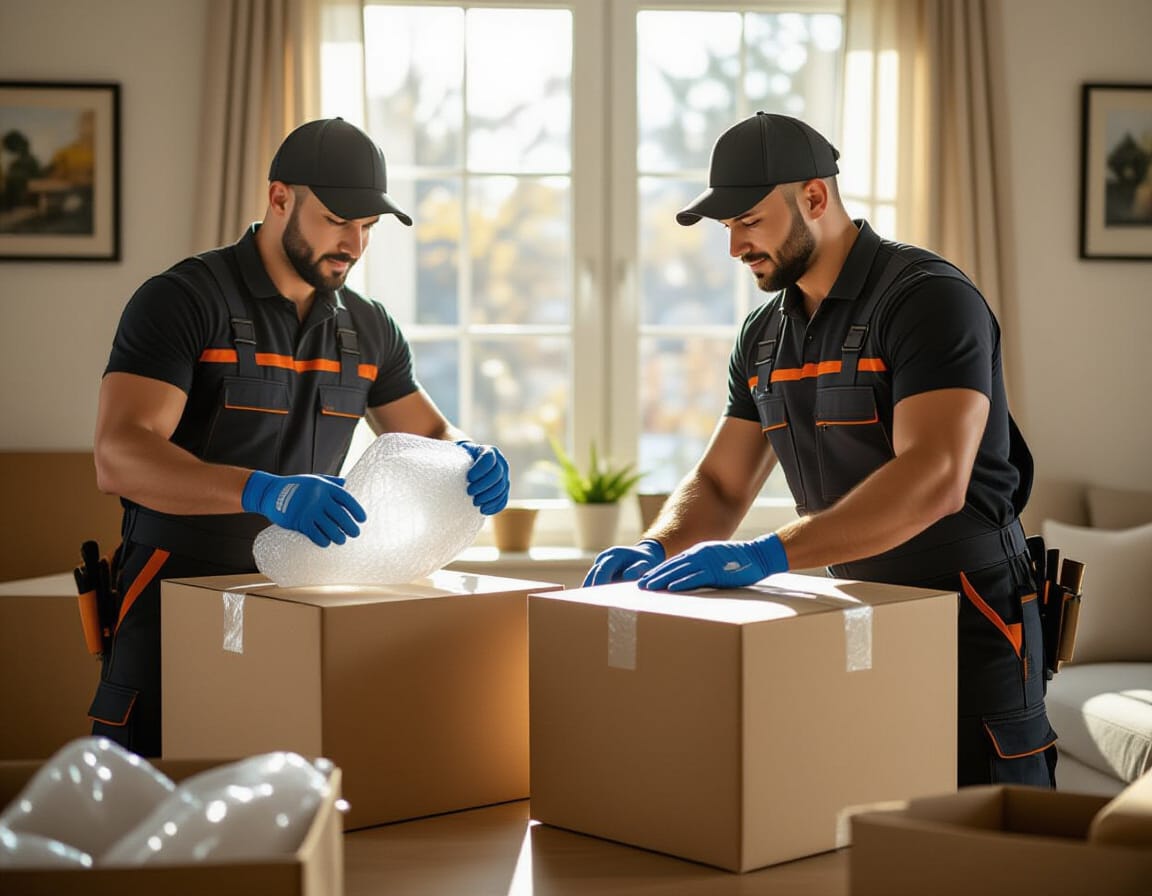
  • Wrap fragile items in bubble wrap or packing paper to protect them from damage.
  • Label each box with the room name and its contents.
  • Keep valuables, medications, and important documents with you.
  • Avoid overpacking boxes — lighter loads are easier to move.

Some moving companies even offer packing help. Letting professional movers handle fragile or heavy items saves time and stress.

How Much Does It Cost to Move from Ohio to Florida?

The cost of moving from Ohio to Florida varies depending on the distance, size, and services required. On average, expect to pay between $2,800 and $6,000. Here’s what influences the price:

  • Home Size: A larger home means more boxes and furniture to store.
  • Distance: The route between your Ohio city and your Florida destination affects cost.
  • Extra Services: Packing, storage, or unpacking can add to your bill.
  • Timing: Summer moves often cost more due to demand.

Getting multiple quotes from reputable moving services helps you find the best value.

Adjusting to Life in Florida

Once you’ve arrived, take time to settle in and enjoy the new lifestyle. Here are a few steps to get comfortable quickly:

  • Register your car and update your driver’s license.
  • Find local grocery stores, healthcare providers, and schools.
  • Explore nearby attractions and beaches.
  • Meet your neighbors and join community groups.

Adapting to Florida life is easy when you embrace the sunshine and friendly culture.

Best Places to Live in Florida for Ohio Transplants

Not sure where to settle? Check out these top Florida destinations for newcomers:

  1. Tampa: Affordable living with beaches nearby.
  2. Orlando: Family-friendly with job opportunities and entertainment.
  3. Miami: Vibrant, diverse, and full of energy.
  4. Jacksonville: Big city living with a small-town feel.
  5. Naples: Perfect for retirees seeking calm and beauty.

Each city offers something unique — whether it’s career growth, family life, or relaxation.

FAQs About Moving from Ohio to Florida

1. How long does the move take?

It usually takes 3–6 days, depending on the distance and the mover’s schedule.

2. Do I need insurance for my move?

Yes. Moving insurance protects your items during transport.

3. What is the best season to move?

Spring or fall is ideal — the weather is mild and costs are lower.

4. Can movers pack everything for me?

Yes. Many moving companies offer full-service packing options.

5. What should I bring with me?

Keep essentials like clothes, chargers, documents, and personal items with you.

moving from Ohio to Florida

Relocating from Ohio to Florida can be an exciting and rewarding experience. With the help of professional movers and a trusted moving service, you can move confidently and comfortably. Start planning early, compare quotes, and get ready to enjoy your new life in the Sunshine State.

Say goodbye to moving headaches. Buzzmoving connects you with movers you can trust—get your free quote now.

a commercial roof estimator in the office

What Is a Commercial Roofing Estimator? | Everything New Jersey Businesses Need to KnowWhat Is a Commercial Roofing Estimator? | Everything New Jersey Businesses Need to Know

What Is a Commercial Roofing Estimator? | Everything New Jersey Businesses Need to Know

If you’re a property manager or business owner in New Jersey planning a new commercial roof installation, repair, or replacement, one key player you’ll encounter early in the process is the commercial roofing estimator. But what is a commercial roofing estimator, exactly—and why are they crucial to the success of your roofing project?

a commercial roof estimator in the office

In short, a commercial roofing estimator is the specialist responsible for inspecting, measuring, calculating, and providing detailed cost projections for commercial roofing jobs. But their role is far more strategic than it sounds. Especially in New Jersey’s dynamic climate—where buildings are exposed to everything from winter nor’easters to humid summers—accurate roofing estimates can protect your budget, your timeline, and your investment.

With Charles Jimerson of CJ Commercial Roofing NJ, let’s dive deeper into what a commercial roofing estimator does, how they operate in New Jersey, and how to find one who’s reputable and reliable.

The Role of a Commercial Roofing Estimator

A commercial roofing estimator is essentially the cost engineer of the roofing world. Their primary responsibilities include:

  • On-site assessments of existing roofing systems
  • Reviewing architectural blueprints and technical specs
  • Measuring roof dimensions, slope, material needs, and structural complexity
  • Calculating labor, materials, equipment, and disposal costs
  • Preparing formal proposals and bid packages for clients or contractors

Their work feeds into everything from project planning to financing. A professional estimator ensures you receive an accurate quote—not a vague ballpark figure—which helps avoid surprise costs mid-project.

Why This Role Is Critical for Commercial Roofing in New Jersey

New Jersey’s commercial buildings span a wide range—from warehouses in Newark and manufacturing plants in Trenton to retail plazas in Cherry Hill and medical offices in Morristown. Each building type poses unique structural challenges and roofing demands.

Commercial roofing estimators in New Jersey must understand:

  • Regional material codes and permit regulations
  • Climate-related wear-and-tear factors (think freeze-thaw cycles, wind uplift, salt air near the Jersey Shore)
  • Insurance compliance and liability risk
  • Prevailing wages for union and non-union labor in counties like Bergen, Hudson, and Camden

In other words, estimators don’t just calculate costs—they mitigate risk by ensuring every detail of the estimate aligns with New Jersey building codes, weather resilience standards, and economic realities.

Common Roofing Systems They Estimate For

Estimators work across various commercial roofing systems, and each has unique price structures. In New Jersey, you’ll commonly see estimators handle:

  • TPO (Thermoplastic Polyolefin): Popular for flat roofs due to energy efficiency
  • EPDM (Ethylene Propylene Diene Monomer): Durable rubber roofing, common in colder parts of NJ
  • Built-Up Roofing (BUR): Older systems found on mid-century office buildings
  • Modified Bitumen: Used in retail centers and industrial facilities
  • Metal Roofing Systems: Increasingly used in tech and manufacturing campuses for longevity

Each material has different installation complexities, life spans, and maintenance costs—all factored into the estimator’s calculations.

How Estimators Use Technology to Deliver Accurate Bids

Modern commercial roofing estimators aren’t walking around with just tape measures and clipboards anymore. Today’s pros use:

  • Drones for roof inspections (especially helpful for multi-story buildings in Jersey City or Atlantic City)
  • 3D roof modeling software like AutoCAD or RoofSnap
  • Satellite imaging tools (e.g., EagleView)
  • Cloud-based estimating platforms like STACK or Esticom

These tools allow estimators to produce faster, more precise bids—even for large-scale buildings like warehouses in Edison or schools in Princeton.

What to Look for in a New Jersey Commercial Roofing Estimator

Not all estimators are created equal. If you’re a business owner in New Jersey, here are key factors to evaluate:

  • Local Experience: Choose estimators who understand NJ building codes, union labor rates, and permit requirements specific to municipalities like Paterson or Elizabeth. See CJ Commercial Roofing NJ for more.
  • Certifications: Look for affiliations with organizations like NRCA (National Roofing Contractors Association) or certifications from manufacturers like GAF or Carlisle.
  • Track Record: Ask for references and examples of recent projects—particularly ones in similar sectors like education, healthcare, or logistics.
  • Detailed Proposals: A good estimator will provide line-item breakdowns—not vague lump sums.

Pro Tip: If you’re seeking roof insurance claims advice, some estimators in NJ also act as third-party verifiers for insurance adjusters.

How Estimators Support Budget Planning and Cost Control

An experienced commercial roofing estimator doesn’t just tally up numbers. They also:

  • Advise on lifecycle costing (i.e., long-term costs beyond installation)
  • Identify cost-saving alternatives (e.g., material swaps or phased projects)
  • Flag hidden expenses, like HVAC curb modifications or water mitigation measures
  • Help secure competitive bids if your job goes to tender

This makes them essential allies in value engineering and total cost of ownership (TCO) planning—especially important for facility managers juggling multiple New Jersey sites.

Why Accuracy Matters in New Jersey’s High-Cost Markets

In areas like Hoboken, Montclair, or Bridgewater—where property values are high and regulations are tight—an inaccurate roofing estimate can be a financial landmine.

A miscalculation in square footage or local labor costs can result in:

  • Mid-project change orders
  • Permit delays
  • Cost overruns
  • Loss of investor confidence
  • Violations and fines

That’s why many local commercial contractors in NJ work closely with dedicated roofing estimators or outsource this role to specialized firms with regional expertise.

Local Insight: The New Jersey Roofing Landscape

In New Jersey, commercial roofing projects are influenced by several local trends:

  • Energy Efficiency Mandates: Many cities require or incentivize cool roofing systems
  • Storm Preparedness: Coastal areas from Cape May to Long Branch require wind uplift testing compliance
  • Sustainability Initiatives: Growing demand for green roofs and solar-ready membranes in towns like Westfield and Summit

A seasoned commercial roofing estimator takes these local elements into account, tailoring estimates not only to your building—but to your business goals and compliance requirements.

Final Thoughts: When to Involve a Commercial Roofing Estimator

If you’re budgeting for a roofing project in New Jersey—whether it’s for a shopping center in Paramus, a church in Princeton, or a distribution hub in Secaucus—engaging a commercial roofing estimator early is a strategic move.

Don’t wait until you’ve already picked a contractor or pulled permits. A qualified estimator can:

  • Optimize your material selections
  • Ensure bid accuracy
  • Uncover potential delays before they cost you money

Need a Roofing Estimate in New Jersey?

When searching for a commercial roofing estimator near you, prioritize companies with strong reputations in the New Jersey commercial roofing market. Look for providers offering free on-site evaluations, digital proposals, and clear communication.

Enhancing Accessibility: Special Needs Bathroom SolutionsEnhancing Accessibility: Special Needs Bathroom Solutions

Creating a bathroom that caters to the needs of individuals with disabilities or mobility challenges is not just a matter of convenience; it’s a crucial step toward fostering independence and ensuring safety. Special needs bathroom solutions are designed to address a wide range of physical limitations, offering features that make daily hygiene tasks easier and safer for everyone involved. From grab bars and walk-in tubs to wheelchair-accessible sinks, these modifications transform a standard bathroom into a supportive environment that promotes well-being and dignity.

Understanding the Importance of Bathroom Accessibility

For individuals living with disabilities or aging adults, the bathroom can present significant obstacles. Traditional bathroom layouts and fixtures often do not accommodate the needs of those who use mobility aids, have limited strength, or require assistance with personal care. The lack of accessibility can lead to difficulties in performing essential daily activities and, worse, increase the risk of falls and injuries. This is where special needs bathroom solutions come into play, providing adaptations that make these spaces more user-friendly and safer for everyone.

Key Features of Special Needs Bathrooms

Walk-In Tubs and Showers

One of the central elements of a special needs bathroom is the provision of barrier-free access to bathing areas. Walk-in tubs and showers eliminate the need to step over high thresholds, significantly reducing the risk of slips and falls. These fixtures often come with built-in seats, anti-slip flooring, and handheld showerheads, further enhancing safety and comfort.

Grab Bars and Handrails

Installing grab bars and handrails in strategic locations around the bathroom is a simple yet effective way to boost safety. These supports offer stability and confidence to individuals as they navigate the space, particularly around the toilet, shower, and bathtub areas.

Height-Adjustable Sinks and Vanities

For wheelchair users or those who have difficulty bending, height-adjustable sinks and vanities can make a world of difference. These features allow users to access the sink comfortably, promoting independence in daily grooming tasks.

Widened Doorways and Turnaround Spaces

Adapting a bathroom to be more accessible often involves structural changes, such as widening doorways and ensuring there’s enough turnaround space for a wheelchair. These modifications ensure that everyone, regardless of their mobility device, can enter and use the bathroom with ease.

Choosing the Right Solutions for Your Needs

Recognizing the diversity in individual needs and preferences, it’s essential to tailor bathroom modifications to suit the specific requirements of the user. Consulting with professionals who specialize in accessible bathroom designs can provide valuable insights and recommendations tailored to your unique situation.

For those in the process of remodeling or constructing a bathroom that meets these specialized needs, Safeshower Bathrooms offers a comprehensive range of services and solutions. From initial design consultation to installation, their team of experts is equipped to handle every aspect of creating a safe, accessible bathroom that doesn’t compromise on style or functionality.

The Role of Technology in Enhancing Accessibility

Advancements in technology have also paved the way for innovative solutions that enhance bathroom safety and usability. Features such as touchless faucets, voice-activated lighting, and temperature-controlled showers contribute to a more accessible and user-friendly environment. By integrating these technological innovations, special needs bathrooms can further improve the quality of life for individuals with disabilities or mobility challenges.

Conclusion

Adapting a bathroom to meet the needs of individuals with disabilities or mobility issues is vital for promoting independence, safety, and dignity. Special needs bathroom solutions offer a variety of modifications that cater to different limitations, making daily hygiene tasks more accessible and safer. By investing in the right adaptations and seeking expertise from specialists like Safeshower Bathrooms, it’s possible to create a supportive and functional bathroom environment for everyone.

In the journey towards greater accessibility, it’s crucial to recognize the unique needs of each individual and customize bathroom designs accordingly. Through thoughtful planning and the implementation of specialized solutions, we can transform standard bathrooms into empowering spaces that facilitate ease and safety for all users.